Why Restorative Yoga Can Be So Powerful for the Nervous System
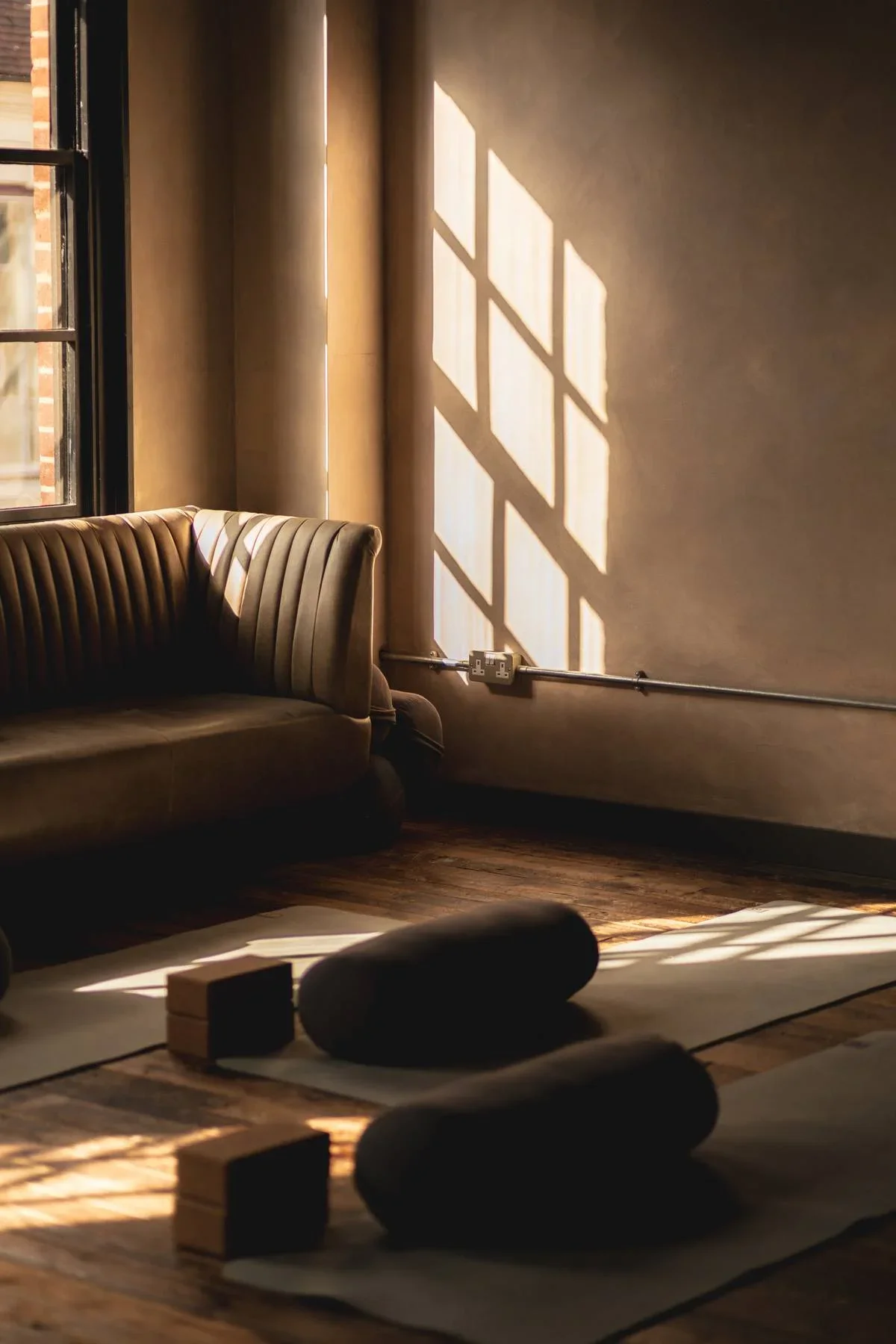
A calm, softly lit space at Heist House Studios in Warwick designed to support slower, restorative yoga practices.
If you’ve ever walked into a yoga class hoping to feel calmer, only to leave feeling more stimulated than relaxed, you’re not alone.
For many people, the idea of yoga is closely tied to movement. Flowing sequences, strength-building poses, and the steady rhythm of breath guiding the body through space. But sometimes what the body truly needs isn’t more movement. Sometimes it needs stillness.
This is where restorative yoga offers something quietly different. Rather than asking the body to work harder, restorative yoga creates the conditions for the body to soften. Postures are supported, the pace is slow, and the focus shifts away from effort and towards rest. For people navigating busy lives, stress or burnout, that shift can feel surprisingly powerful.
At Heist House Studios, restorative yoga often becomes the class people didn’t realise they needed, until they experience what it feels like to truly slow down.
Understanding restorative yoga
At first glance, restorative yoga may look simple.
Students settle into a small number of supported postures using props such as bolsters, blankets and blocks. These shapes are then held for several minutes at a time, allowing the body to relax fully without effort.
Unlike more dynamic yoga styles, the goal isn’t stretching deeper or building strength. Instead, the intention is to create an environment where the nervous system can move out of a constant state of activity and into rest. Where some yoga practices use movement as the pathway into awareness, restorative yoga uses stillness.
The body isn’t being pushed or challenged. It’s being supported.
Why restorative yoga feels different from other styles
Many of us move through daily life in a heightened state of alertness. Work pressures, digital stimulation and full schedules can keep the nervous system switched on for long periods of time. Even activities designed to support wellbeing can sometimes carry a subtle sense of urgency.
Restorative yoga intentionally moves in the opposite direction.
The room is quiet. Movements are minimal. Postures are designed to feel comfortable rather than effortful. With the body fully supported by props, muscles no longer need to hold tension. The breath naturally slows, and the nervous system begins to shift towards the parasympathetic response - the state responsible for rest, digestion and recovery. For many people, this slower pace can feel unfamiliar at first. Not because it is difficult, but because it asks us to pause.
The benefits of restorative yoga
Although restorative yoga appears gentle on the surface, its effects can extend deeply into both physical and emotional wellbeing.
Many students notice that even a short restorative practice leaves them feeling calmer and more grounded.
Some of the most commonly reported benefits include:
Nervous system regulation - Supported postures encourage the body to shift out of “fight or flight” mode and into a calmer state.
Reduced stress and anxiety - Slower breathing and stillness create space for the mind to settle.
Improved sleep - Restorative yoga is often practised in the evening as a way to prepare the body for deeper rest.
Recovery from burnout or fatigue - Because restorative yoga requires very little physical effort, it allows energy to replenish rather than be depleted.
For people who feel overwhelmed or overstimulated, this gentle approach can feel deeply restorative in ways that more active practices sometimes cannot provide.
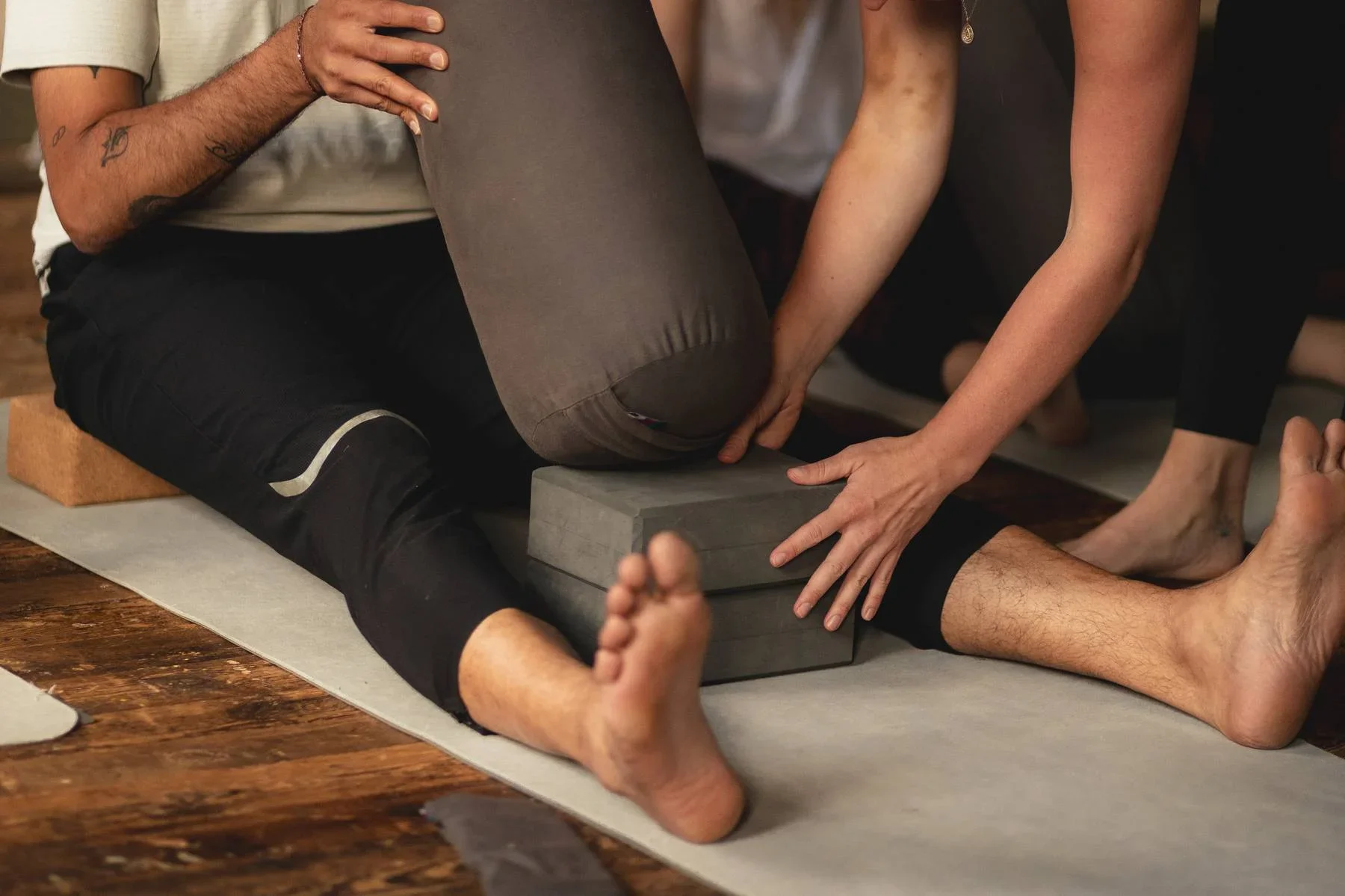
Props such as bolsters and blocks help the body feel supported, allowing muscles to relax fully during restorative yoga.
Why Rest Can Feel Surprisingly Difficult
One of the interesting things about restorative yoga is that many people find it unfamiliar at first. Not because the poses are physically demanding, but because they invite something we rarely give ourselves: time.
When the body finally pauses, sensations we’ve been moving past for weeks - or even months - may begin to surface. The mind may wander. The urge to “do something” may appear. This isn’t a sign that restorative yoga isn’t working. Often, it’s a sign that the nervous system is adjusting to a slower rhythm.
Over time, many students begin to notice that what once felt unusual gradually becomes deeply supportive.
Common Restorative Yoga Poses
Restorative yoga classes usually include a small number of carefully supported postures designed to allow the body to release tension gradually.
Supported Child’s Pose
A grounding posture where the torso rests comfortably on a bolster, helping release tension in the back and shoulders.
Legs Up the Wall
A gentle inversion that supports circulation while calming the nervous system.
Reclined Bound Angle
A supported heart-opening posture that allows the breath to deepen and the chest to soften.
Supported Forward Fold
A quiet shape that gently lengthens the spine while encouraging relaxation.
Each posture is designed to feel safe, comfortable and supportive rather than intense.
Who restorative yoga is particularly helpful for
Restorative yoga is suitable for many people, but it can be especially supportive if you’re currently experiencing:
stress or emotional overwhelm
physical fatigue
burnout or prolonged busyness
difficulty switching off or relaxing
a desire for a slower, more introspective practice
It is also often recommended as a complement to more active yoga styles. For example, many students combine flow or Vinyasa classes with restorative sessions across the week, allowing both movement and rest to play a role in their practice.
If you’re curious how different yoga styles can complement one another, you may also enjoy reading Yin Yoga vs Vinyasa: Which Yoga Style Is Right for You?
Restorative yoga at Heist House Studios
At Heist House Studios in Warwick, restorative yoga classes are designed to provide a calm and supportive space where students can slow down without pressure. Using bolsters, blankets and gentle guidance, classes focus on helping the body release tension and allowing the nervous system to settle naturally.
For many students, restorative yoga becomes a weekly reset - a place to pause, breathe and reconnect with themselves away from the pace of daily life.
If you’d like to explore restorative yoga in Warwick, you can view the full class schedule and find a session that suits your energy and availability.
A practice that reminds us how to rest
In a culture that often celebrates productivity and constant motion, restorative yoga offers something different.
It reminds us that rest is not the opposite of progress. Sometimes it’s the foundation for it.
By creating space for stillness, the practice invites the body to recover, the breath to deepen and the nervous system to settle and for many people, that gentle shift can make all the difference.
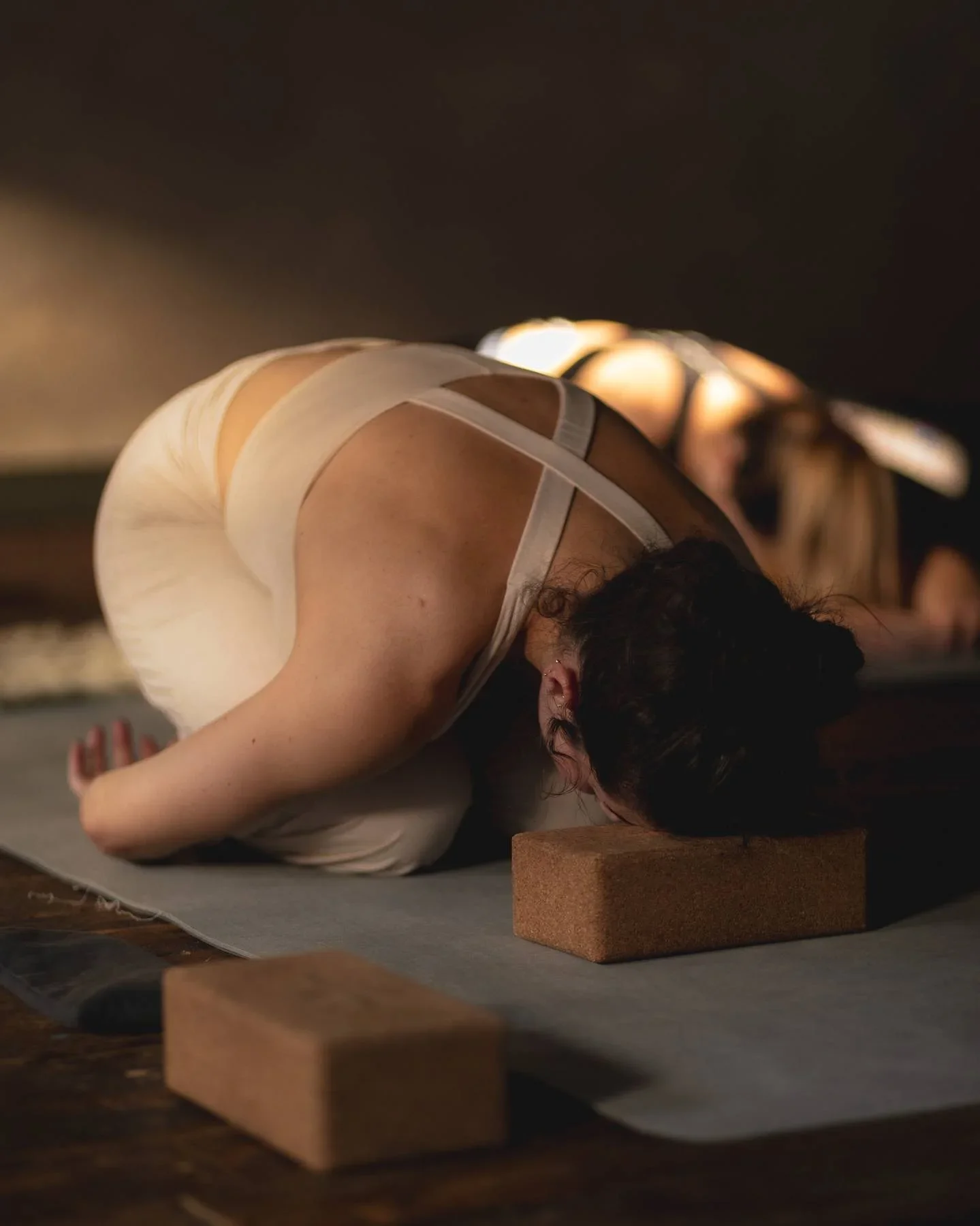
Supported Child’s Pose is commonly used in restorative yoga to release tension through the spine and calm the nervous system.
Further reading
If you're interested in exploring the relationship between yoga, stress and nervous system regulation, these journal articles may also be helpful:
Burnout, Stress & the Nervous System: How Gentle Yoga Supports Recovery
Why Yoga Doesn’t Always Feel Relaxing at First (And Why That’s Normal)
These pieces explore how different styles of yoga support recovery, regulation and long-term wellbeing.
Frequently Asked Questions
-
Yes. Because the poses are supported and gentle, restorative yoga is often very accessible for beginners.
-
Many people find restorative yoga helpful for reducing stress because it encourages the nervous system to move into a calmer state.
-
Even practicing once per week can help support relaxation and nervous system balance.
-
Not at all. Props support the body so that the postures feel comfortable regardless of flexibility.
Finding the right rhythm for your practice
If you’re new to the studio or curious about how restorative yoga fits into the wider approach to wellbeing at Heist House, you may also enjoy reading Meet Heist House Studios. Your Yoga & Wellness Home in the Heart of Warwick.
Yoga isn’t about doing more or pushing further. It’s about finding the practices that support you - physically, mentally and emotionally - exactly where you are. Restorative yoga also reminds us that rest isn’t something we earn after doing enough. It’s something the body needs in order to keep moving through life with clarity, steadiness and care.
On quieter evenings at the studio in Warwick, restorative classes often end in near silence. The room settles, breathing slows, and students take a few moments before leaving - as if stepping back into the outside world at a slightly gentler pace.
Ready to find your space on our mat? Book your class today.