

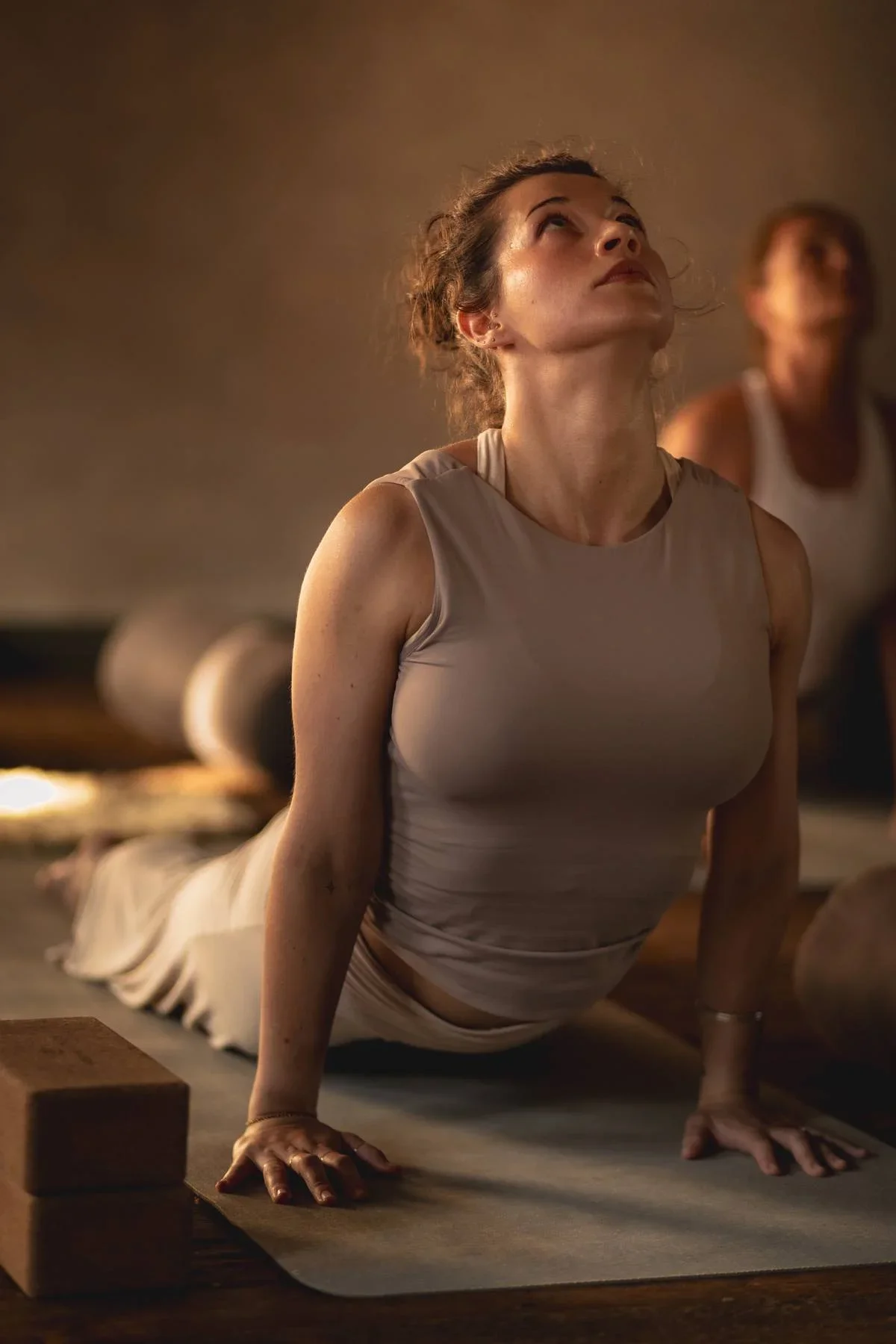
A slower, deeper practice for reset, release and nervous system balance
Yin Yoga in Warwick
A need for rest that goes deeper than sleep. A sense that the body is holding more than it needs to. A curiosity about slowing down, without switching off entirely. Here, Yin Yoga is a meditative, grounding practice that targets the deeper layers of the body, including connective tissue, nervous system and fascia. Postures are held for longer periods to encourage gentle release, improve mobility, and restore balance to the body and mind.
Our Yin classes at Heist House create a calm and supportive environment, allowing you to slow down, reconnect with your breath, and release tension. Teachers guide with warmth, spaciousness, and care, holding space for you to explore stillness and mindfulness.
Lineages & Influences
Yin Yoga at Heist House Studios is shaped by a lineage of teachers who approached practice as a study of stillness, sensation, and awareness. Rooted in classical yoga philosophy and informed by contemporary understanding of anatomy and the nervous system, this approach prioritises safety, patience, and depth over intensity or performance.
Lineages & Influences
Yin Yoga draws on classical and contemporary teachings to create a mindful, therapeutic practice.
Paul Grilley
Developed Yin Yoga with a focus on fascia, joint health, and anatomical awareness (yinyoga.com).
Sarah Powers
Combined Yin with mindfulness and Taoist philosophy to enhance the practice’s meditative qualities.
Restorative by design
This blend ensures students experience authentic, safe, and deeply restorative practices, supported by thoughtful pacing, props, and options.
Rather than striving for shape or outcome, Yin invites time - time to listen, to settle, and to allow the body’s natural rhythms to emerge. These influences form the foundation of a practice that is both traditional and quietly modern, offering space for restoration, reflection, and nervous system support.
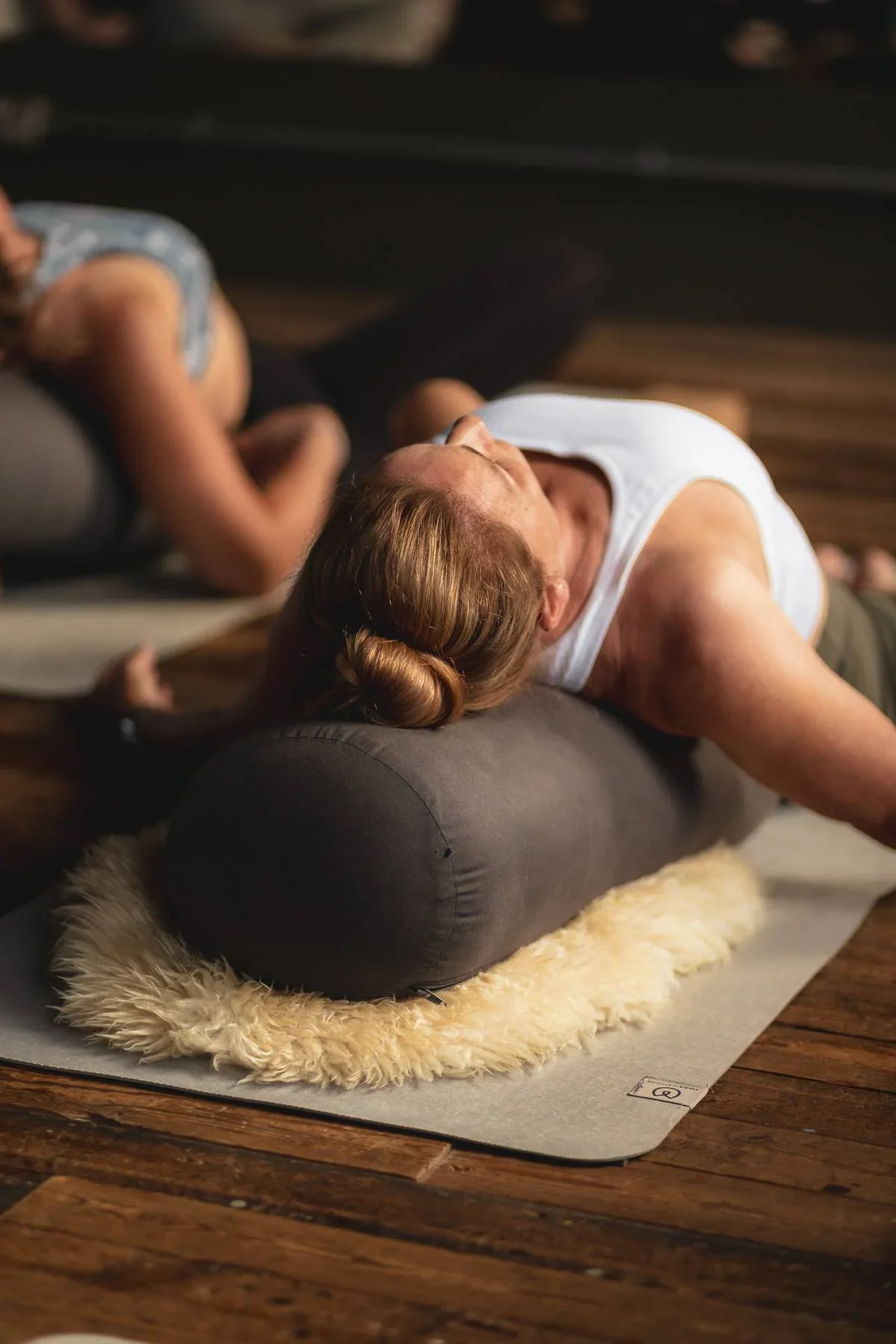
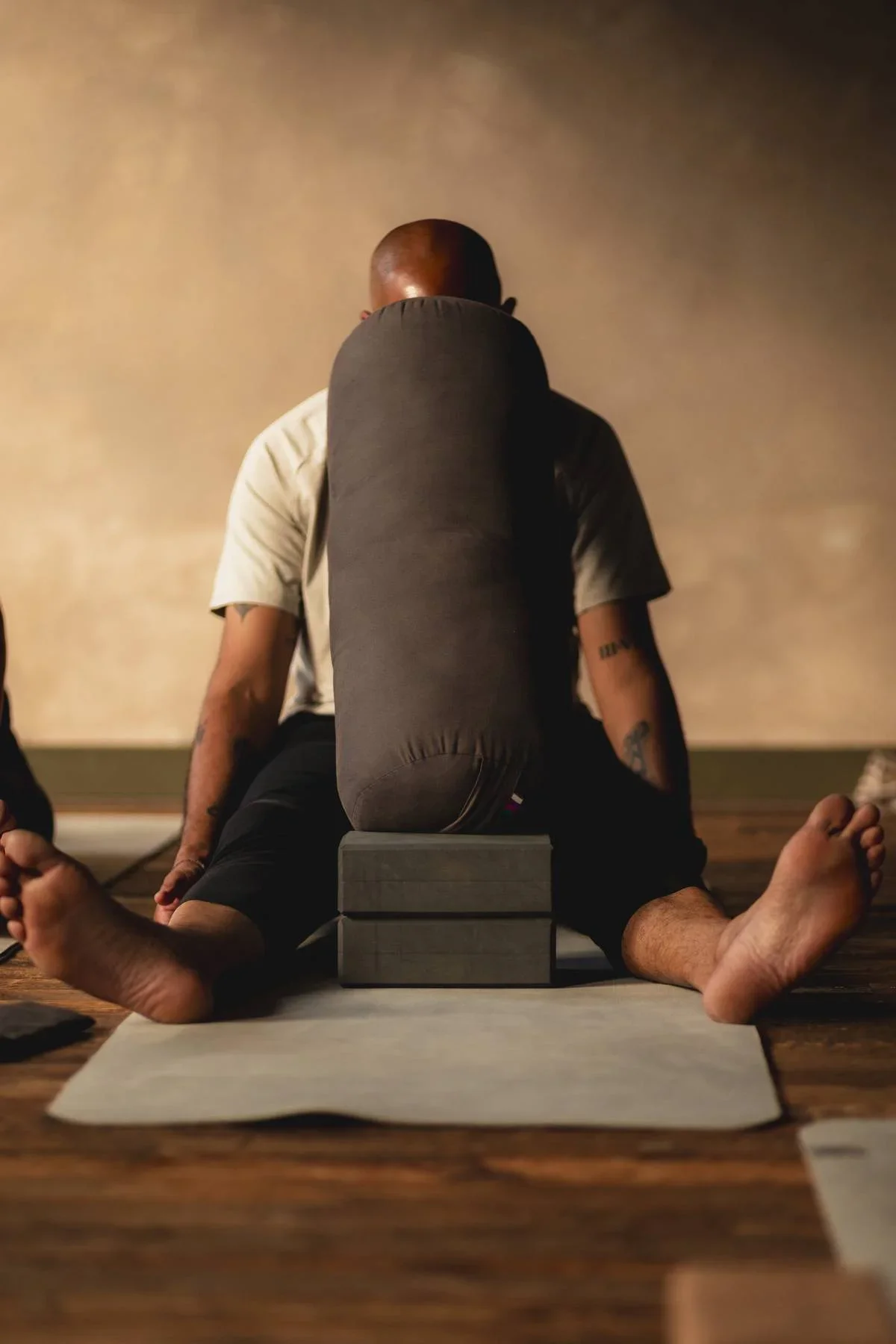
Yin Yoga at Heist House Studios offers a slow, grounding practice that supports joint health, connective tissue, and nervous system regulation. Through longer-held postures and supported stillness, Yin Yoga encourages deep listening, safe alignment, and a more restorative relationship with the body.
Time as The Practice
Yin Yoga is one of the few yoga practices where time itself becomes the teacher.
Yin Yoga in Warwick offers something rare: time. By holding postures for longer, the practice allows joints, connective tissues, and deeper layers of the body to respond gradually, without force or urgency. Rather than moving quickly through sequences, Yin invites you to stay - developing patience, body awareness, and a more sustainable relationship with movement over time.
Who is Yin Yoga for and what are the benefits?
Yin Yoga is designed for anyone seeking a slower, more introspective approach to yoga. Whether you’re balancing a busy lifestyle, supporting your nervous system, or looking to complement more dynamic movement, Yin offers a calm and accessible practice that meets you where you are.
Suitable for all levels, Yin Yoga focuses on stillness, breath awareness, and longer-held postures - creating space for both physical release and mental clarity in an unhurried, supportive environment.
-
Yin Yoga encourages deep rest by activating the parasympathetic nervous system. Through stillness and supported postures, the practice helps calm stress responses and promotes a sense of safety and balance in the body.
-
Longer-held poses gently target connective tissues, supporting joint health, mobility, and functional flexibility without force or strain.
-
With fewer transitions and more time to settle, Yin Yoga offers space to observe the breath, quiet the mind, and cultivate present-moment awareness.
-
By slowing the pace and reducing sensory input, Yin Yoga helps release held tension and supports emotional wellbeing, making it especially beneficial during periods of stress or fatigue.
-
Yin Yoga is suitable for beginners and experienced practitioners alike. Postures are adapted with props and options, allowing the practice to remain inclusive, safe, and deeply restorative.
Yin Yoga and The Nervous System
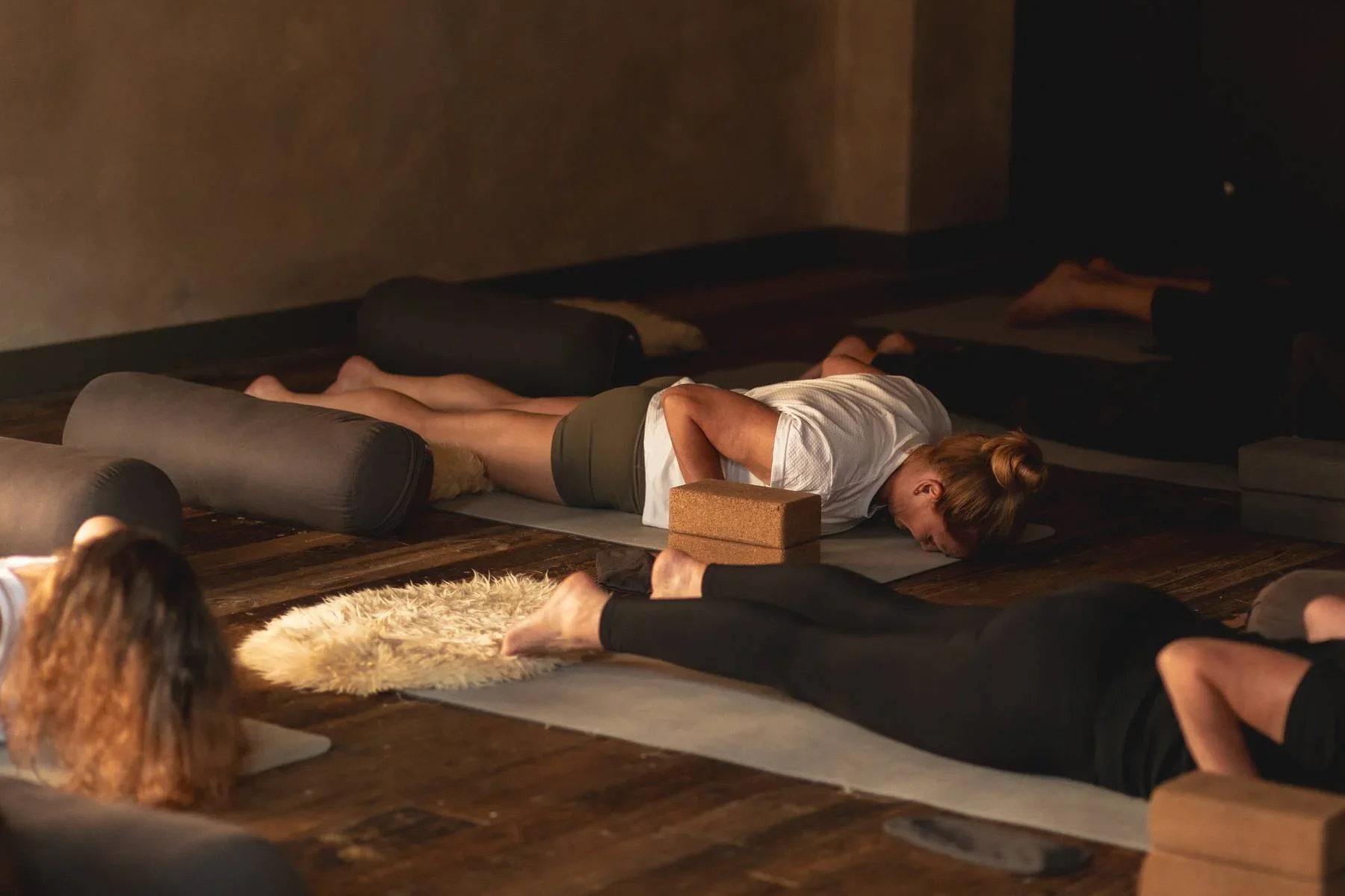
Yin Yoga supports the nervous system by slowing the pace of practice and reducing sensory input. Through longer-held, supported postures, the body is given time to move out of constant alertness and into rest and regulation.
Rather than forcing relaxation, Yin Yoga allows calm to emerge naturally - which is why the practice is often experienced as deeply restorative.
Regular Yin practice may support:
a calmer baseline nervous system response
reduced stress and emotional overwhelm
deeper, more restorative rest
improved stress tolerance over time
We explore this connection between stillness and regulation further in our journal piece on Why Yoga Doesn’t Always Feel Relaxing at First (And Why That’s Normal), which looks at how stillness, breath, and awareness influence the nervous system.
“Yin Yoga invites us to stay present with what is, rather than striving to change it.”
-Sarah Powers
What To Expect at Yin Yoga in Warwick
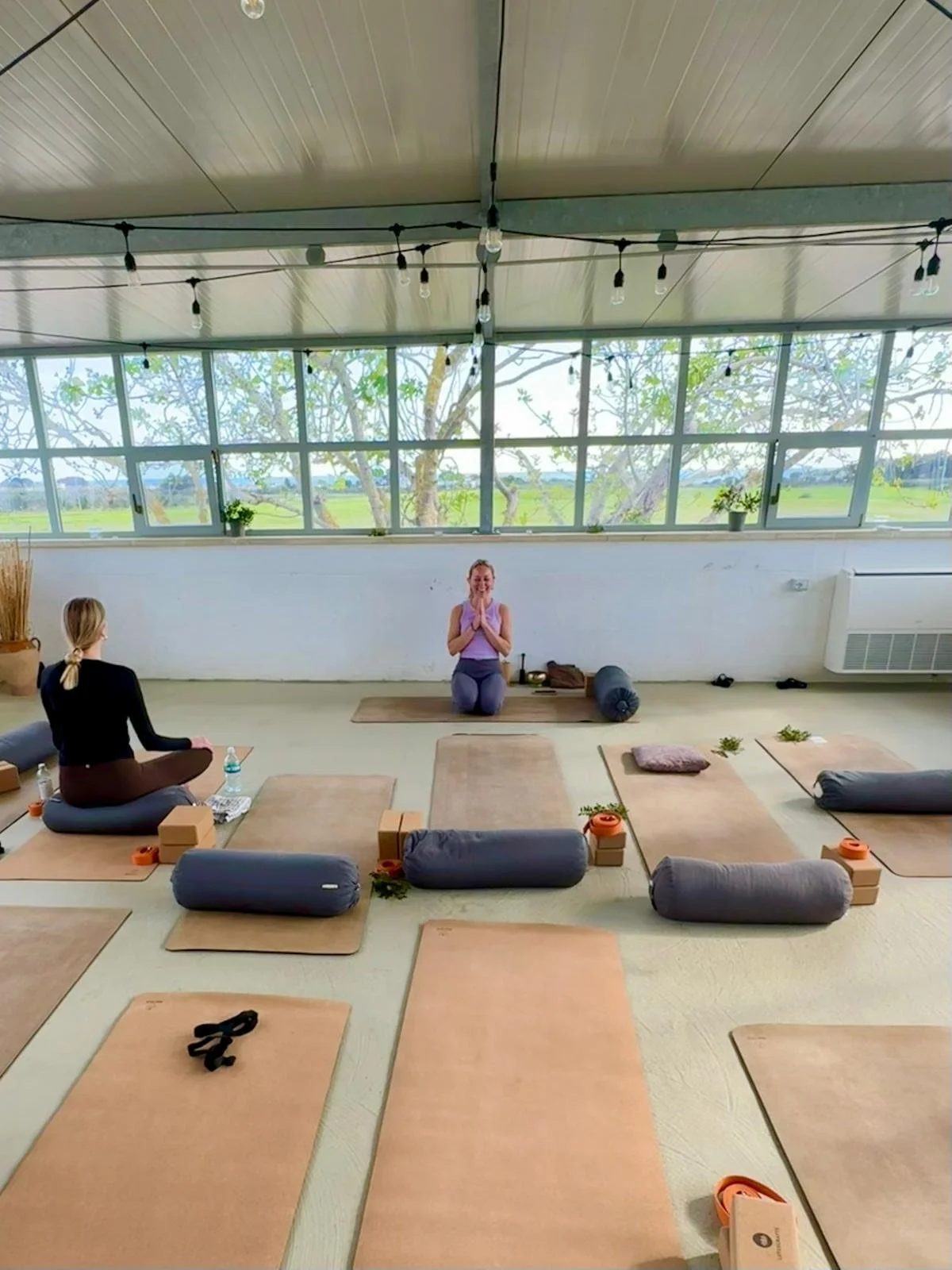
Expect a calm, spacious environment where time slows and attention turns inward. Yin Yoga is designed to support deep rest, mindful awareness, and nervous system regulation through stillness and simplicity.
Classes move at an unhurried pace, with teachers guiding you through longer-held, floor-based postures supported by breath and props. There is no rush, no pressure to achieve, and no expectation to move beyond what feels appropriate for your body on the day.
The focus is on listening rather than doing - allowing space for sensation, release, and quiet integration.
-
As you arrive on your mat, class begins with gentle breath awareness and grounding cues to help you settle into your body. This opening phase supports the nervous system in slowing down, easing mental noise, and creating a sense of safety before moving into stillness.
-
Postures are introduced slowly and held for longer periods, allowing time to explore sensation and alignment without force. Teachers offer clear guidance and options, encouraging curiosity and awareness rather than striving or effort.
-
Yin Yoga works with connective tissues and joints through sustained shapes, helping to support mobility, flexibility, and embodied awareness. Attention is placed on how each posture feels, rather than how it looks.
-
Every class includes extended rest, giving the body and nervous system time to absorb the practice. This closing phase supports deep relaxation, leaving you feeling grounded, balanced, and quietly renewed.

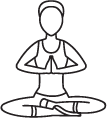
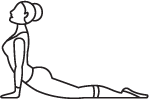
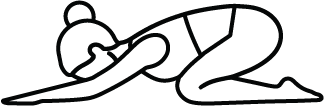
Poses You May Explore in Yin Yoga

Meet the Team of Instructors
-
![Yoga instructor smiling in Baby Cobra pose during a Vinyasa flow at Heist House Studios]()
KATE
CO-FOUNDER & OWNER
A seasoned yoga practitioner with 18 years of experience, Kate’s teaching style is rooted in traditional hatha, blending strength, mindfulness, breath, and movement to help students connect with themselves and their surroundings. In 2024, Kate expanded her expertise, becoming qualified in Mandala Vinyasa yoga.
-
![Yoga instructor practicing Revolved Side Angle pose with a block during a Vinyasa class at Heist House Studios]()
VISHAL
YOGA INSTRUCTOR
Vishal started as one of the founding members at Heist House Studios. He is a passionate instructor dedicated to guiding you through a transformative Hatha/Vinyasa Flow style class: With a focus on movement, breath work, and meditation, Vishal creates a nurturing environment where students can deepen their practice.
-
![Yoga instructor balancing in Dancer Pose during a flowing Vinyasa practice at Heist House Studios]()
CHARLIE
YOGA INSTRUCTOR
Charlie trained in Greece and London, completing her 200hr yoga teacher training with Kindred Yoga, specialising in Vinyasa and Ashtanga. Charlie’s flows are dynamic, fiery and energetic. Charlie encourages you to explore your prana, the universal energy that flows within and among us, connecting us together.
-
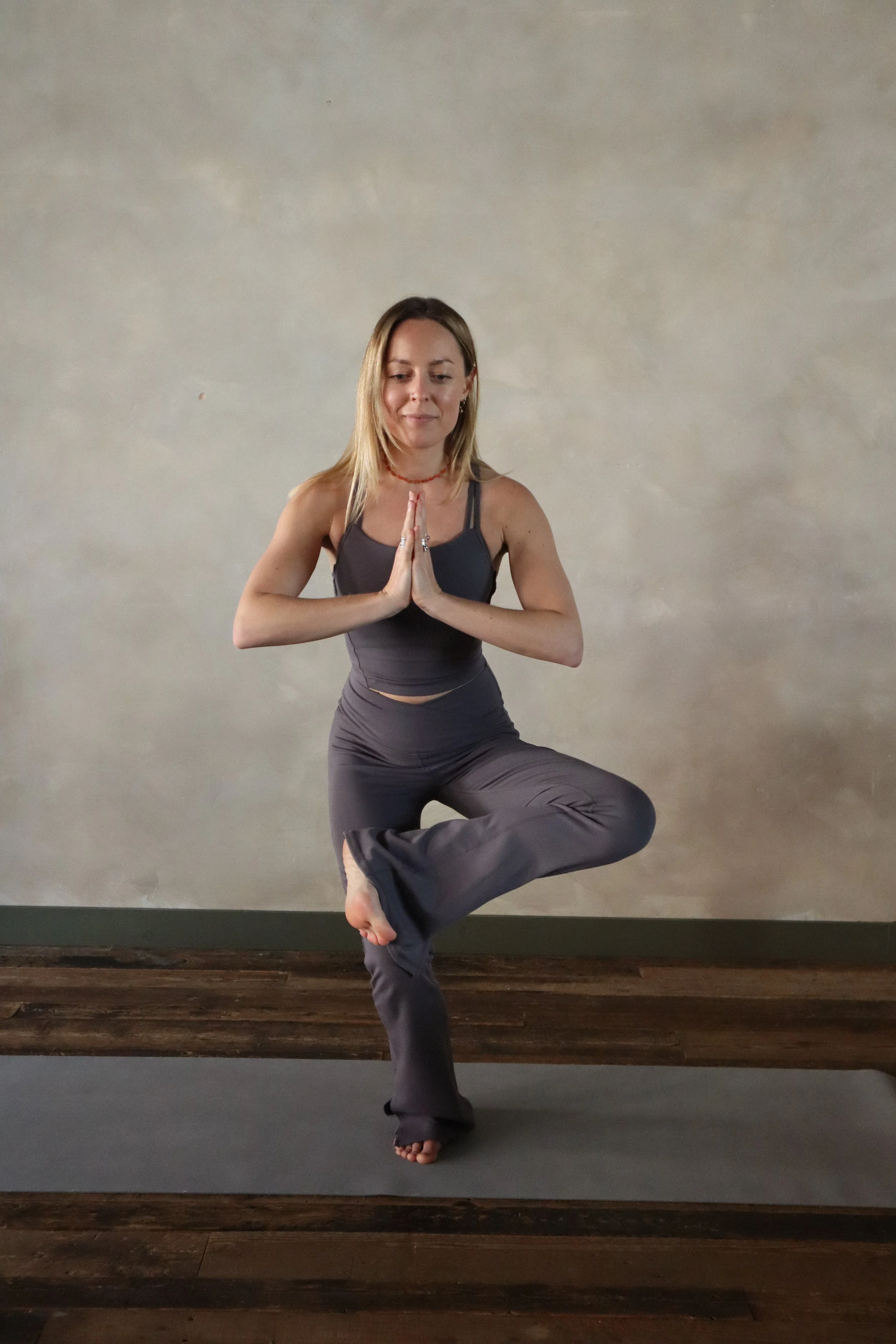
![Yoga instructor Sam P practicing Tree Pose at Heist House Studios]()
SAM
YOGA INSTRUCTOR
Sam gravitated towards yoga fifteen years ago and decided to train in both Ashtanga Vinyasa and Well-Woman Yoga Therapy (also known as womb yoga) after many years of self-practice. She loves to teach heart-led, embodied flows that invite you to turn your gaze inwards and explore the inner landscape of your being.
-
![Yoga instructor Lauren transitioning into a Wild Thing variation during a Vinyasa practice at Heist House Studios]()
LAUREN
YOGA INSTRUCTOR
Lauren trained in Costa Rica, completing her 200hr certification at Blue Osa. She teaches a dynamic vinyasa flow and enjoys incorporating inversions into her classes. She also teaches slower vinyasa, Yin, and Restorative Yoga and brings in meditation and breathing techniques to deepen the mind-body connection.
-
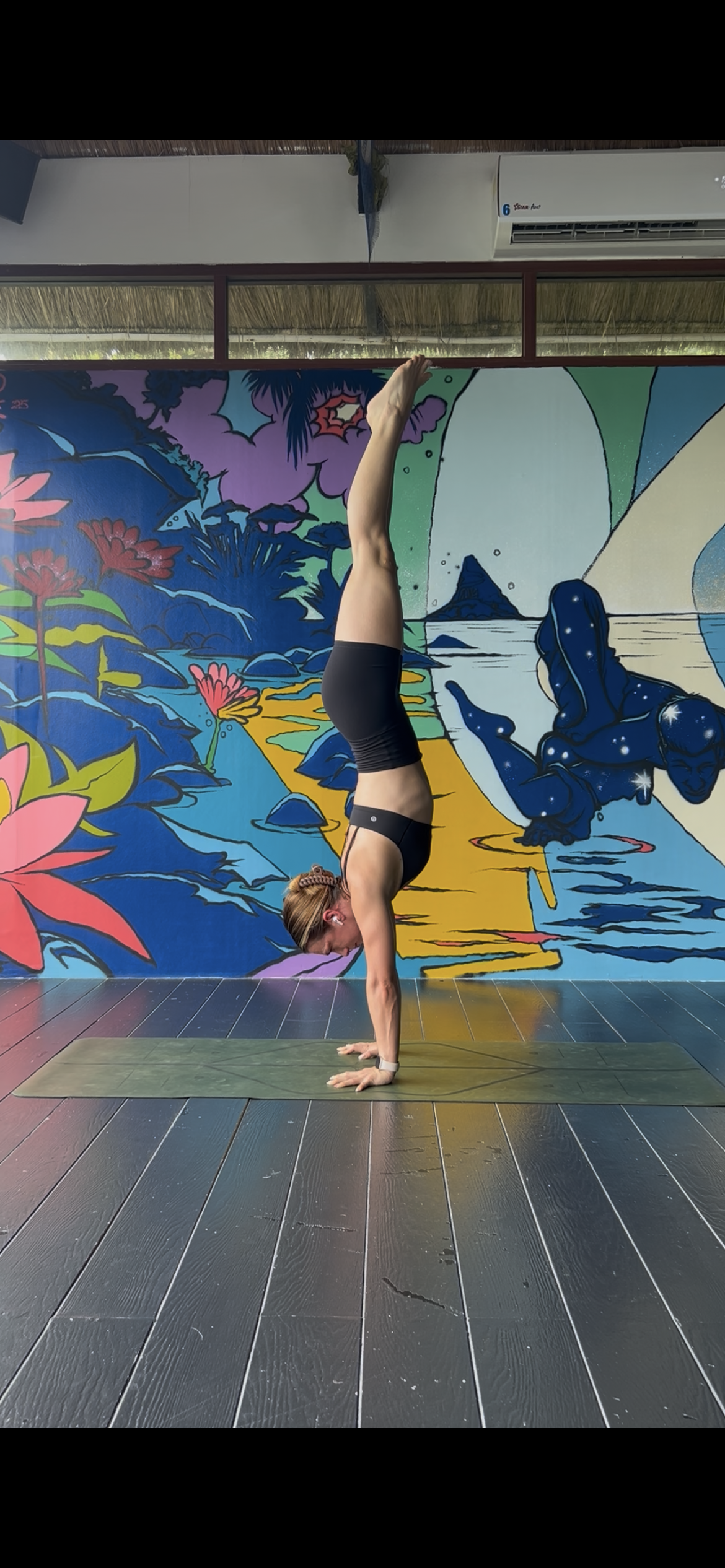
![Yoga instructor Erin holding a handstand in front of a colourful mural at a Yoga retreat]()
ERIN
YOGA INSTRUCTOR
In 2024, Erin completed her 300-hour Advanced Yoga Teacher Training at Vikasa and returned in 2025 to assist on the same program. Rooted in a Vinyasa-based style, emphasising strength, mobility, and flow, paired with mindful movement. Erin’s approach encourages resilience, fluidity, and connection.



Frequently Asked Questions
-
Yin Yoga is a slow, meditative style of yoga where postures are held for longer periods of time. The practice focuses on stillness, breath awareness, and sensation, rather than dynamic movement or flow.
-
Yes. Yin Yoga is accessible to beginners and experienced practitioners alike. Postures are typically floor-based and supported with props, allowing each student to work within their own range without pressure
-
Unlike faster-paced styles, Yin Yoga emphasises time and stillness. Poses are held for longer to gently work with joints and connective tissues, encouraging patience, awareness, and deep release rather than muscular effort.
-
No. Yin Yoga is not about achieving depth or flexibility. The practice encourages listening to the body and responding to sensation, rather than stretching to an end range.
-
Wear comfortable clothing that allows you to move easily. Yoga mats and props are available at the studio, but you’re welcome to bring your own if you prefer. Bringing a water bottle is also recommended.
-
Regular Yin Yoga practice may support:
improved joint health and mobility
reduced physical tension
greater body awareness
improved ability to rest and slow down
Benefits are often subtle and cumulative rather than immediate.
-
Yin Yoga can be practised weekly or alongside more dynamic movement styles. Many people use Yin as a complementary practice to support balance and recovery.
-
Many students find Yin Yoga supportive during periods of stress, fatigue, or overwhelm, as the slower pace and longer holds encourage a sense of calm and grounding.
Finding a regular rhythm with your practice can make all the difference. Our memberships are designed to support consistency, connection and long-term wellbeing - with flexible options that fit the way you like to move.
Thoughtful Guidance for Your Yoga Journey
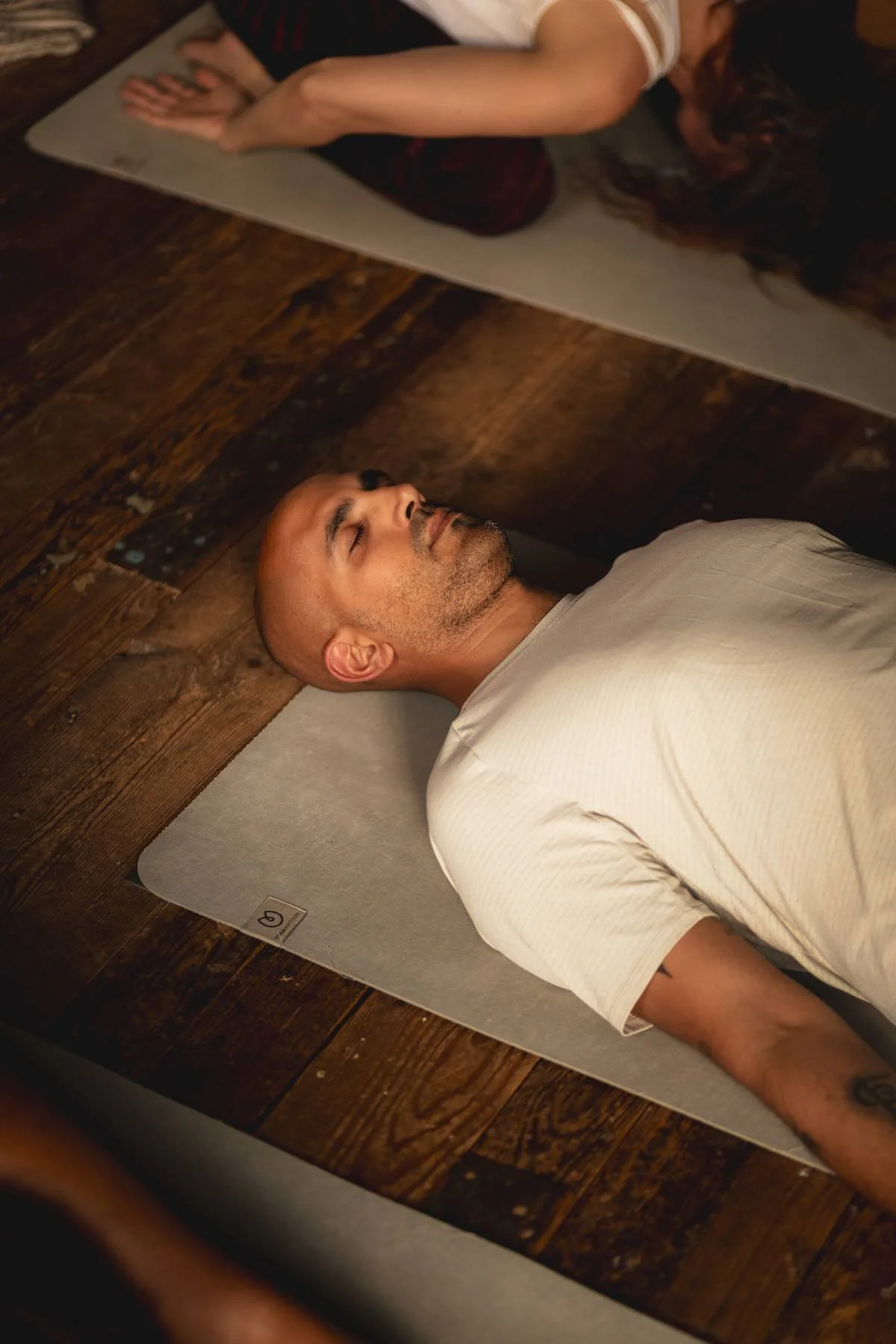
Feeling wiped out after a yoga class? Why it happens, why gentle classes can tire you more than strong ones, and what usually helps in the first six weeks.