Why Yoga Doesn’t Always Feel Relaxing at First (And Why That’s Normal)
Yoga is often described as calming - a way to slow down, soften the body, and feel more at ease. It’s spoken about as rest, as release, as something that helps you unwind. So it can feel confusing when your first few classes don’t bring that sense of calm.
Instead, you might leave feeling emotionally open, physically heavy, or quietly unsettled. You may notice tension rising rather than falling, or feel tired in a way that doesn’t immediately resolve with sleep. Sometimes the discomfort is subtle. Sometimes it’s confronting. And often, it’s not something people talk about openly.
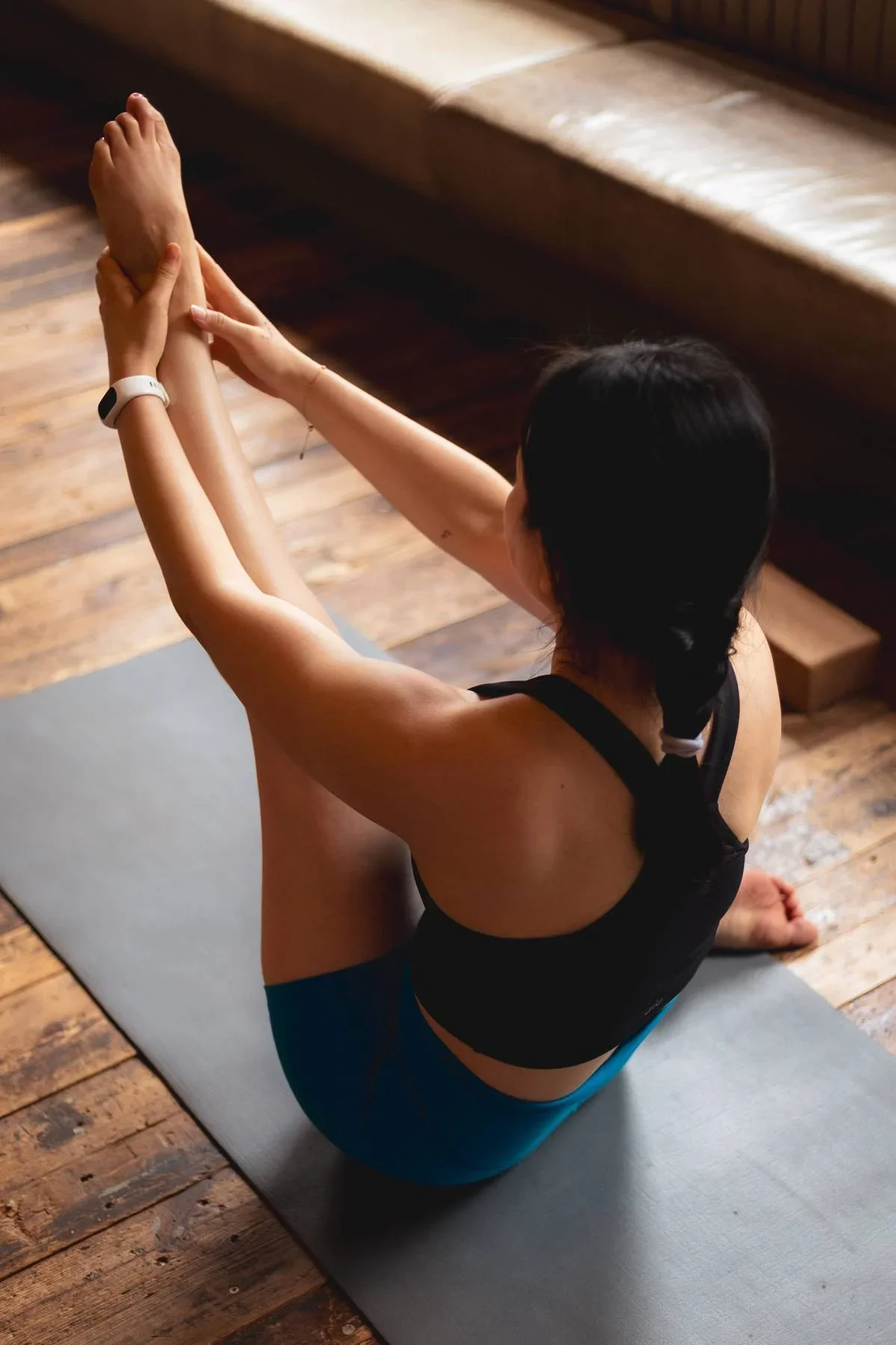
A slow moment of movement and breath, inviting the body to soften and settle.
At Heist House Studios, this is a conversation that comes up frequently - particularly among those who are new to yoga, returning after time away, or choosing slower practices such as beginners yoga or yin yoga for the first time. It’s also one of the most misunderstood parts of starting a yoga practice.
The truth is simple, though not always expected: yoga doesn’t always feel relaxing at first - and that doesn’t mean it isn’t working. This experience is particularly common for people beginning yoga in Warwick who are coming to the practice not for fitness, but for stress relief, emotional balance, or a gentler relationship with their body.
When Slowing Down Reveals More Than Calm
Yoga doesn’t override the nervous system or force the body into relaxation. It creates the conditions for awareness. For many people, especially those who have spent years moving quickly, holding responsibility, or operating under constant pressure, the body adapts to being in a heightened state of readiness.
That heightened state can begin to feel normal. Familiar. Even safe.
When you remove urgency - as happens in beginners yoga or slower, longer-held practices like yin yoga - the body is no longer distracted by speed or stimulation. Breath naturally slows. Sensation becomes clearer. The mind has fewer places to hide.
At this stage, people often notice:
restlessness or agitation during stillness
emotional responses that feel unexpected
fatigue surfacing after class
difficulty “switching off” during relaxation
None of these responses mean yoga isn’t working. They often indicate that the nervous system feels just safe enough to begin responding honestly.
The Body Remembering How To Feel
In everyday life, it’s common to live slightly disconnected from the body - moving from task to task, managing stress, and getting on with what needs to be done. Yoga gently interrupts that pattern.
As attention turns inward, the body begins to communicate more clearly. You may become aware of where you’re holding tension, how shallow your breathing has become, or how rarely you allow yourself to rest without distraction.
This can feel uncomfortable at first. Especially in practices like yin yoga, where postures are held for longer periods and there is very little to distract from sensation.
People often describe:
increased awareness of physical tension
emotions surfacing without an obvious cause
difficulty staying present in stillness
a sense of vulnerability or sensitivity
This isn’t something to push through or override. It’s something to meet gently, with curiosity rather than judgement.
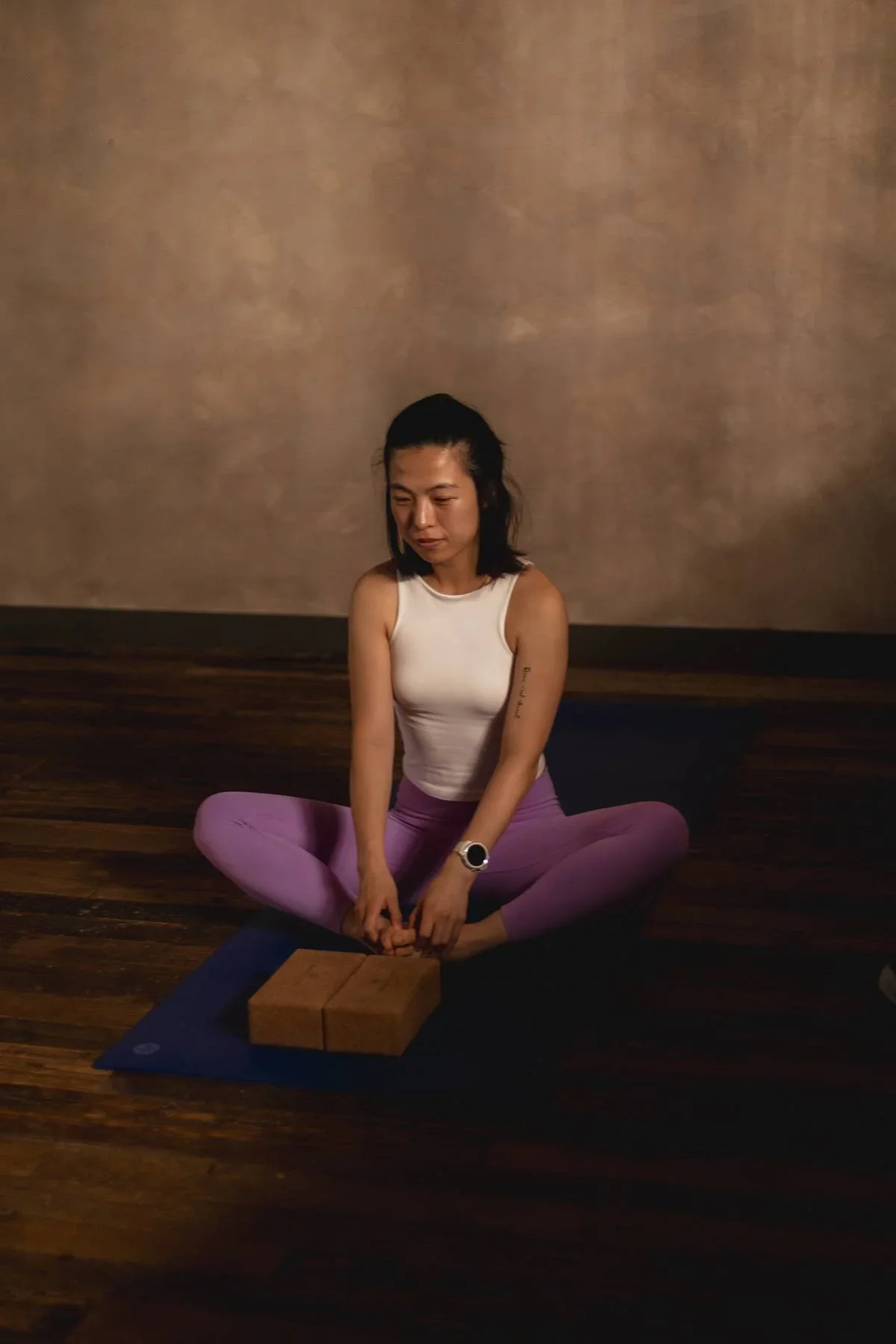
Stillness, support and space - allowing the body to ease without force.
Why Relaxation Can’t Be Rushed
Relaxation isn’t something the body can be instructed to do. It’s a state that emerges when the nervous system feels safe enough to soften. Yoga supports this process gradually, through repetition, consistency, and an environment that doesn’t demand performance or perfection.
In the early stages of practice, progress often looks subtle:
breath slowing more naturally
the body settling more quickly after class
rest beginning to feel more restorative
stress responses becoming less reactive
These changes tend to happen quietly, over time, and are often noticed in daily life before they’re noticed on the mat.
Slower practices such asbeginners yoga, yin yoga, and sound healing are particularly supportive here, as they prioritise regulation over intensity and allow the nervous system to recalibrate at its own pace. For many people, sound healing works best when combined with slower movement practices such as beginners yoga, where the nervous system is gently supported rather than overstimulated.
For some, this kind of slowing down is most noticeable when given time and space - something we experienced deeply during our first Rooted & Rare retreat at Cabilla in Cornwall, where movement, sound and rest were woven together over several days.
The nervous system doesn’t switch off on command
Research into stress regulation shows that the nervous system doesn’t move from heightened alertness into relaxation instantly. Instead, it adapts gradually, through repeated exposure to environments that feel safe, predictable and non-threatening.
Early research into yoga and mindfulness-based practices suggests that initial sessions can increase bodily awareness before they reduce perceived stress. In simple terms, people often feel more before they feel calmer - particularly when they’ve been living with long-term stress or emotional load.
Practices that support the nervous system in this way aren’t limited to movement alone. We explore this further in our journal piece on sound healing in Warwick - why it works and what’s coming to Heist House Studios, where stillness, vibration and nervous system care come together.
Why early yoga can feel uncomfortable
Studies exploring mind-body practices have found that increased interoceptive awareness - the ability to sense internal bodily signals - can temporarily heighten emotional sensitivity in the early stages of practice.
This can show up as:
emotional release or sensitivity
restlessness during stillness
fatigue after sessions
difficulty relaxing at first
Rather than being a setback, this phase is understood as part of the nervous system recalibrating its response to rest and stillness.
Slower practices support regulation over time
Research also points to the benefits of slower, low-intensity practices that combine sustained postures, gentle movement and controlled breathing. Over time, these approaches are associated with increased parasympathetic activity - the branch of the nervous system linked to rest, digestion and recovery.
This helps explain why gentler styles such as beginners yoga, yin yoga, and sound healing are often recommended for people experiencing ongoing stress, burnout or overwhelm. These practices give the nervous system time to adapt, rather than forcing relaxation before the body feels ready.
Why everyone’s experience is different
Evidence consistently shows that individual responses to yoga vary widely. Factors such as stress history, sleep quality, emotional load and previous movement experience all influence how quickly relaxation is felt.
This variability reinforces an important point: yoga isn’t a linear process, and early discomfort doesn’t mean it isn’t working. It often means the body is learning a new way to settle.
Listening Rather Than Leaving
When yoga feels uncomfortable, the instinct can be to assume it isn’t right for you. In reality, discomfort doesn’t always mean something is wrong. Often, it means something needs attention.
It may help to:
choose beginners yoga over mixed-level classes
explore slower practices like yin yoga
avoid pushing through sensations too quickly
speak to your teacher about what you’re experiencing
allow rest without trying to “fix” the experience
Yoga isn’t about becoming calm as quickly as possible. It’s about becoming more aware - and letting calm follow naturally.
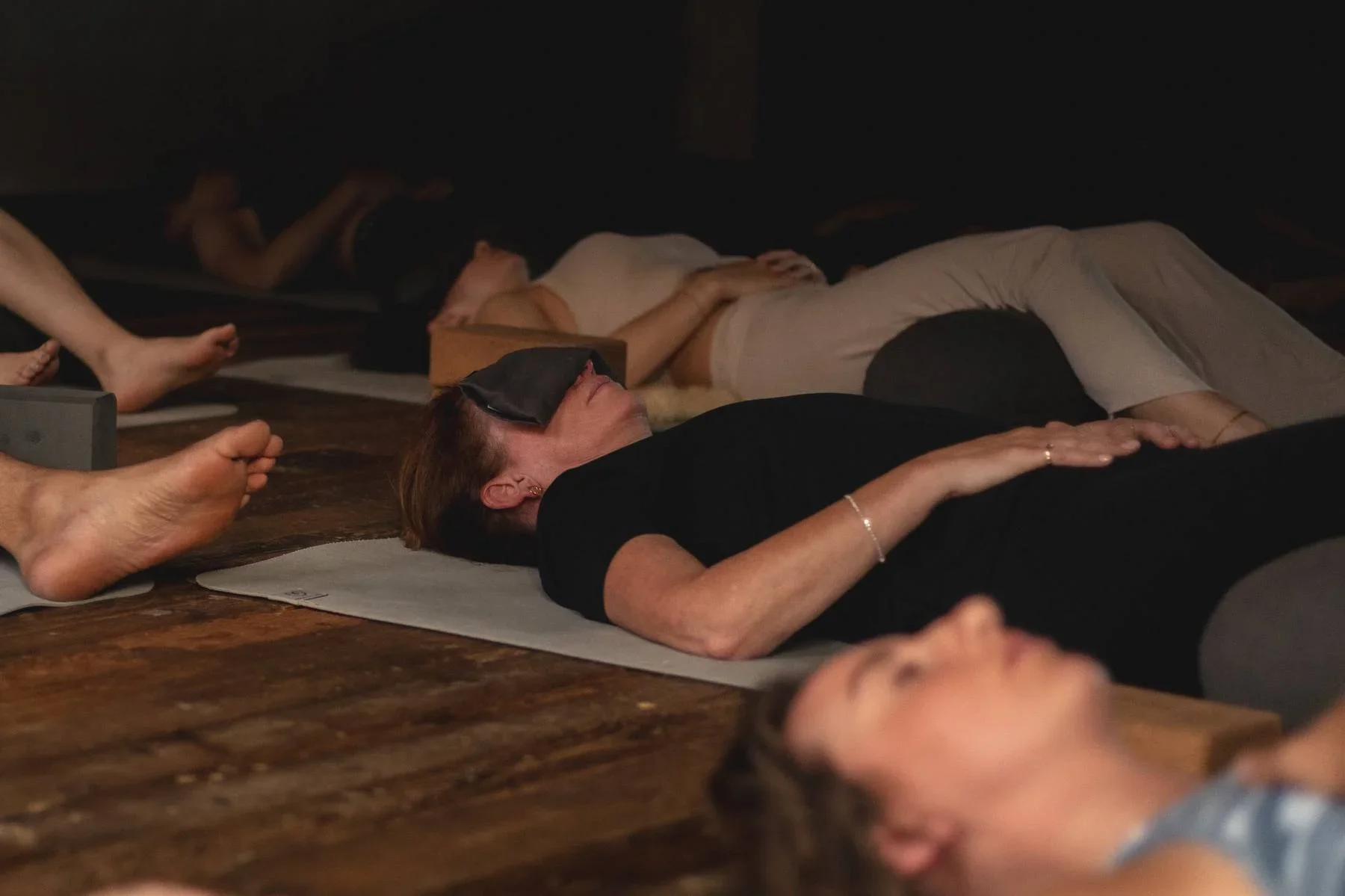
Deep rest in a shared space, where the nervous system is gently guided towards calm.
A Quieter Kind Of Progress
Yoga is not a quick solution for stress or overwhelm. It’s a relationship with the body that unfolds slowly, often in ways that aren’t immediately obvious.
If your practice doesn’t feel relaxing straight away, that doesn’t mean it isn’t working. It often means something deeper is beginning to shift. With consistency, care, and the right kind of support, the nervous system learns that it’s safe to soften - and when that happens, relaxation no longer needs to be chased.
It simply appears.
This approach is shaped by the space itself - a calm, considered studio designed to support slower practices and nervous system care. You can read more about our ethos and how Heist House Studios became a yoga and wellness home in the heart of Warwick.
Beginning, or Beginning Again
If you’re curious about starting - or starting again - we invite you to explore our beginners yoga classes in Warwick, where the focus is on steady, supported practice rather than performance. Classes are intentionally paced to allow the nervous system time to settle, with clear guidance and space to move at your own rhythm.
For those looking for deeper rest and nervous system support, yin yoga and sound healing offer slower, quieter practices designed to support regulation, reflection and recovery - particularly during periods of stress, fatigue or emotional load.
Frequently Asked Questions
-
Yes. Yoga can create space for emotional release, particularly as the nervous system begins to slow and the body feels safe enough to process stored tension.
-
When the body shifts out of constant alertness, underlying fatigue can surface. This is a common part of nervous system regulation and often settles with continued practice.
-
Slower practices such as beginners yoga, yin yoga, and sound healing are often most supportive for calming the nervous system and encouraging deeper rest.
-
There’s no fixed timeline. Some people notice changes within weeks; for others it takes longer. Consistency and choosing the right style matter more than speed.
-
Not necessarily. It may simply mean adjusting the type of practice you’re doing or allowing more time for the body to adapt.
A Final Note from Kate
Yoga is often sold as a shortcut to calm. In reality, it’s an invitation to listen - to the body, the breath, and the subtle signals that are easy to ignore in busy daily life. If relaxation doesn’t arrive straight away, it doesn’t mean you’re doing it wrong. It often means the body is learning, gently and honestly, how to soften again. With time, the stillness becomes less confronting. The breath deepens without effort. And calm stops being something you chase - it becomes something you recognise.
-Kate x
References:
Streeter et al. (2012)Effects of Yoga on the Autonomic Nervous System, Gamma-Aminobutyric-Acid, and Allostasis in Epilepsy, Depression, and Post-Traumatic Stress Disorder. Medical Hypotheses. https://www.sciencedirect.com/science/article/pii/S030698771200110X
Farb et al. (2015)Interoception, Contemplative Practice, and Health. Frontiers in Psychology. https://www.frontiersin.org/articles/10.3389/fpsyg.2015.00763/full
Pascoe, Thompson & Ski (2017)Yoga, Mindfulness-Based Stress Reduction and Stress-Related Physiological Measures: A Meta-Analysis. Psychoneuroendocrinology. https://www.sciencedirect.com/science/article/pii/S030645301630578X
Porges (2011)The Polyvagal Theory: Neurophysiological Foundations of Emotions, Attachment, Communication, and Self-Regulation. W. W. Norton & Company. https://wwnorton.com/books/The-Polyvagal-Theory
Field (2016)Yoga Research Review. Complementary Therapies in Clinical Practice. https://www.sciencedirect.com/science/article/pii/S1744388116300204
Written by the team at Heist House Studios, drawing on lived teaching experience and evidence-informed nervous system research. Last Updated: January 2026.