

Burnout, Stress & the Nervous System: How Gentle Yoga Supports Recovery
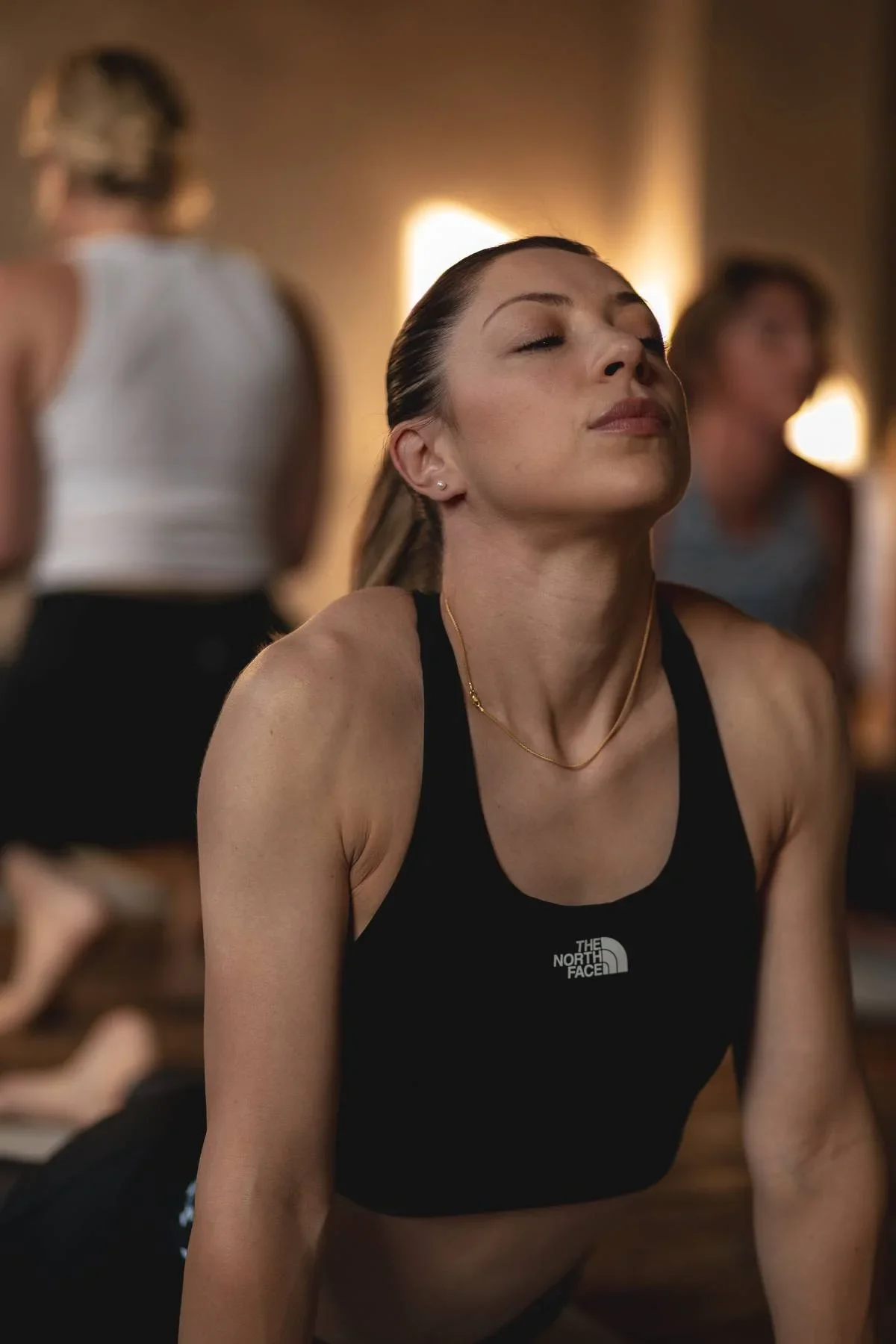
A moment of stillness, breath, and soft activation during a gentle yoga practice at Heist House Studios.
Burnout rarely arrives all at once. It builds quietly - through tired mornings, shallow breaths, restless sleep, and a nervous system that never quite switches off. Even when life slows down, the body can remain stuck in a state of alert, scanning for the next demand.
At Heist House Studios in Warwick, we see this often. People come to yoga not because they want to do more, but because they’re craving space - space to breathe, to soften, and to feel like themselves again.
Gentle yoga practices such as Yin, Restorative, and slow, breath-led Flow offer more than physical relief. They work directly with the nervous system, supporting the body’s natural ability to recover from chronic stress and burnout.
Understanding Burnout Beyond Tiredness
Burnout isn’t just feeling exhausted. It’s what happens when the nervous system has been under pressure for too long without adequate recovery. When stress becomes chronic, the body can remain in a near-constant state of fight-or-flight. Muscles stay tense. Breathing becomes shallow. Sleep may feel light or un-refreshing. Over time, even rest can feel unsettling.
This is why many people experiencing burnout struggle with practices that are fast-paced or performance-focused - even when those practices are healthy in other contexts. The nervous system simply isn’t ready for stimulation. It’s asking for safety first.
This mirrors what we explored in our earlier journal piece, Why Yoga Doesn’t Always Feel Relaxing at First, where we look at why slowing down can initially feel uncomfortable - and why that response is completely normal.
The Nervous System’s Role in Recovery
Burnout isn’t just about feeling tired - it’s about how long the nervous system has been asked to stay in a state of alert without enough opportunity to recover.
The autonomic nervous system has two main branches that work together to keep us balanced:
Sympathetic nervous systemresponsible for activation, focus, movement and the stress response
Parasympathetic nervous systemresponsible for rest, digestion, repair and emotional regulation
Both are essential. The issue arises when activation becomes constant and restoration is repeatedly postponed.
Research into chronic stress and burnout shows that prolonged sympathetic activation can:
Keep cortisol levels elevated
Reduce vagal tone (a key marker of nervous system resilience)
Disrupt sleep, digestion and immune function
Increase anxiety, emotional reactivity and physical tension
Over time, the body can forget how to fully switch out of “doing mode” - even when life slows down. This is where gentle yoga practices play a unique role. Rather than stimulating the nervous system further, slower styles of yoga intentionally support parasympathetic activation through:
Stillness and longer-held postures, which reduce muscular effort and defensive tension
Slow, conscious transitions, preventing spikes in arousal
Breath awareness, particularly slower nasal breathing and longer exhales
Studies suggest that these elements can improve heart rate variability and vagal activity - both indicators of a nervous system that can adapt, regulate and recover more effectively. This is why practices like Yin Yoga are often recommended during periods of stress, burnout or emotional fatigue.
Unlike more dynamic movement, Yin Yoga does not rely on effort to create change. Instead, it creates repeated experiences of safety. Over time, the body learns that it is allowed to soften - a process that often unfolds gradually, rather than instantly.
For those unsure whether stillness or movement is more supportive right now, our comparison piece Yin Yoga vs Vinyasa: Which Yoga Style Is Right for You? offers a gentle way to understand how different practices meet different nervous system needs.
At Heist House Studios, we offer both slower and more dynamic classes so students can respond to how they feel - not how they think they should feel. You can explore our Yin Yoga and Vinyasa Yogaclasses, or view the full timetable, to find a practice that supports recovery rather than overriding it.
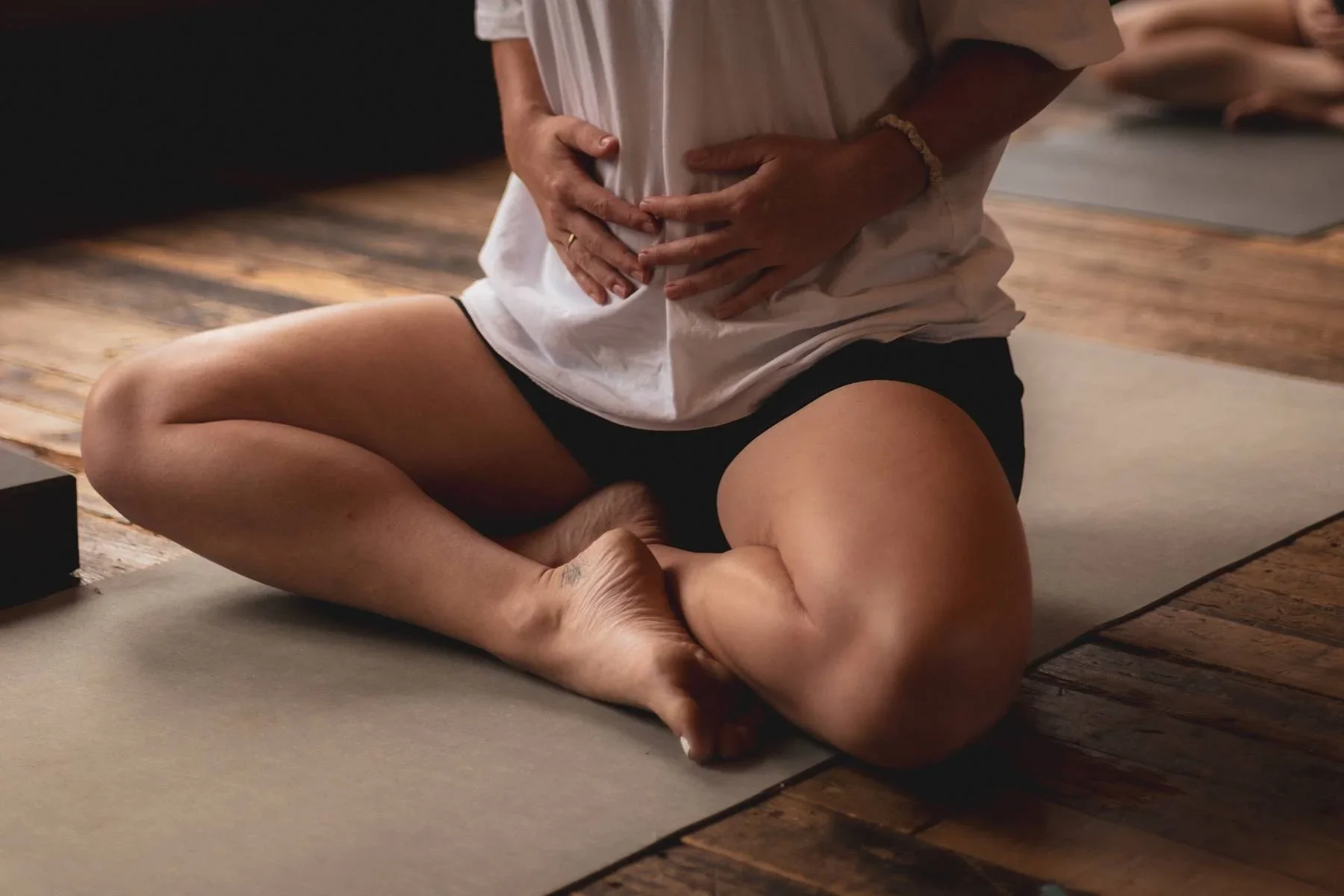
Grounded breathwork and embodied awareness - supporting rest, digestion, and nervous system balance.
Why Gentle Yoga Is Different
Gentle yoga isn’t about stretching less or doing “easy” versions of poses. It’s about changing the intention entirely.
In Yin Yoga, poses are held for longer periods, allowing the muscles to relax so that deeper connective tissues can be gently stimulated. The pace is slow. The environment is quiet. The nervous system has time to settle.
In Restorative practices, the body is fully supported by props, reducing effort almost completely. This creates conditions where true rest can occur - something many people experiencing burnout haven’t felt in a long time.
Slow Flow and breath-focused classes bridge the gap, offering gentle movement that restores rhythm without overwhelm.
The Subtle Benefits You Might Not Expect
One of the most powerful aspects of gentle yoga is that its effects are often felt long after you leave the studio. Rather than dramatic changes that arrive all at once, the benefits tend to unfold quietly, shaping the way you move, respond and rest in everyday life.
People often notice:
Improved sleep quality, with an easier transition into rest and fewer restless nights
Reduced anxiety and emotional reactivity, as the nervous system becomes less easily triggered
A greater sense of resilience, making it easier to navigate stress without feeling overwhelmed
More ease in everyday movement, particularly in areas that previously felt tight or guarded
The ability to rest without guilt, recognising rest as supportive rather than unproductive
These shifts don’t happen through force or effort. They develop gradually, as the nervous system is given repeated experiences of safety, stillness and support. Over time, the body begins to trust that it no longer needs to stay in a constant state of alert - and from that trust, genuine recovery can begin.
If you’re curious how slower practices support this kind of recovery, our Yin Yoga classes are designed to offer exactly this pace and depth of rest.
Rebuilding Trust With Your Body
Burnout can create a sense of disconnection - from the body, from intuition, from the signals that tell us when enough is enough.
Gentle yoga helps rebuild that trust. By moving slowly and listening closely, practitioners begin to recognise subtle sensations again: the rise and fall of breath, the release of tension, the feeling of grounding through the floor.
This isn’t about pushing through discomfort. It’s about learning when to pause and honouring that pause as meaningful practice.
Close-up of a yoga practitioner’s hand resting in a meditation mudra during a gentle yoga class, symbolising calm and mindfulness.
Finding the Right Practice for Where You Are
Recovery isn’t linear, and there’s no single “correct” way to heal from burnout. Some days may call for stillness. Others may invite gentle movement. The key is having options and permission to choose differently each time.
At Heist House Studios, our Yin, Restorative, and slow Flow classes are designed to meet people where they are, not where they think they should be. If you’re navigating stress, burnout, or simply feeling disconnected from rest, exploring a gentler approach to yoga can be a powerful place to begin.
You can view our current class schedule or learn more about our Yin Yoga offerings on the studio site - or reach out if you’re unsure which practice might support you best.
Frequently Asked Questions
-
Yes. While yoga isn’t a replacement for medical or therapeutic support, gentle yoga practices can play a meaningful role in burnout recovery by supporting nervous system regulation, reducing chronic stress responses, and creating space for rest and repair.
-
During burnout, the nervous system is often already overstimulated. Gentle yoga reduces sensory input and physical demand, allowing the body to shift out of fight-or-flight and into a state where recovery is possible.
-
Yin Yoga is often more supportive during periods of high stress or emotional exhaustion due to its slow pace and longer-held postures. Vinyasa can also be beneficial, but many people find gentler styles more accessible when energy levels are low.
-
This is a very common response. When the nervous system has been in a state of alert for a long time, stillness can initially feel unfamiliar. Over time, and with consistent practice, the body often learns to soften and settle more easily.
-
No prior yoga experience is needed. Gentle yoga classes are designed to be accessible, with options and props offered to support comfort and safety throughout the practice.
-
This varies from person to person. Many people benefit from practising gentle yoga once or twice per week, alongside prioritising rest and other supportive routines. Listening to your body is key.
A Final Thought
Burnout isn’t a failure of resilience. It’s a signal - one that the body has been speaking for some time. Gentle yoga doesn’t silence that signal. It helps you listen, respond, and slowly restore balance from the inside out.
Sometimes, the most meaningful progress happens when we stop trying to push forward - and allow ourselves to arrive.
