What Is the Best Yoga for Beginners in Warwick?
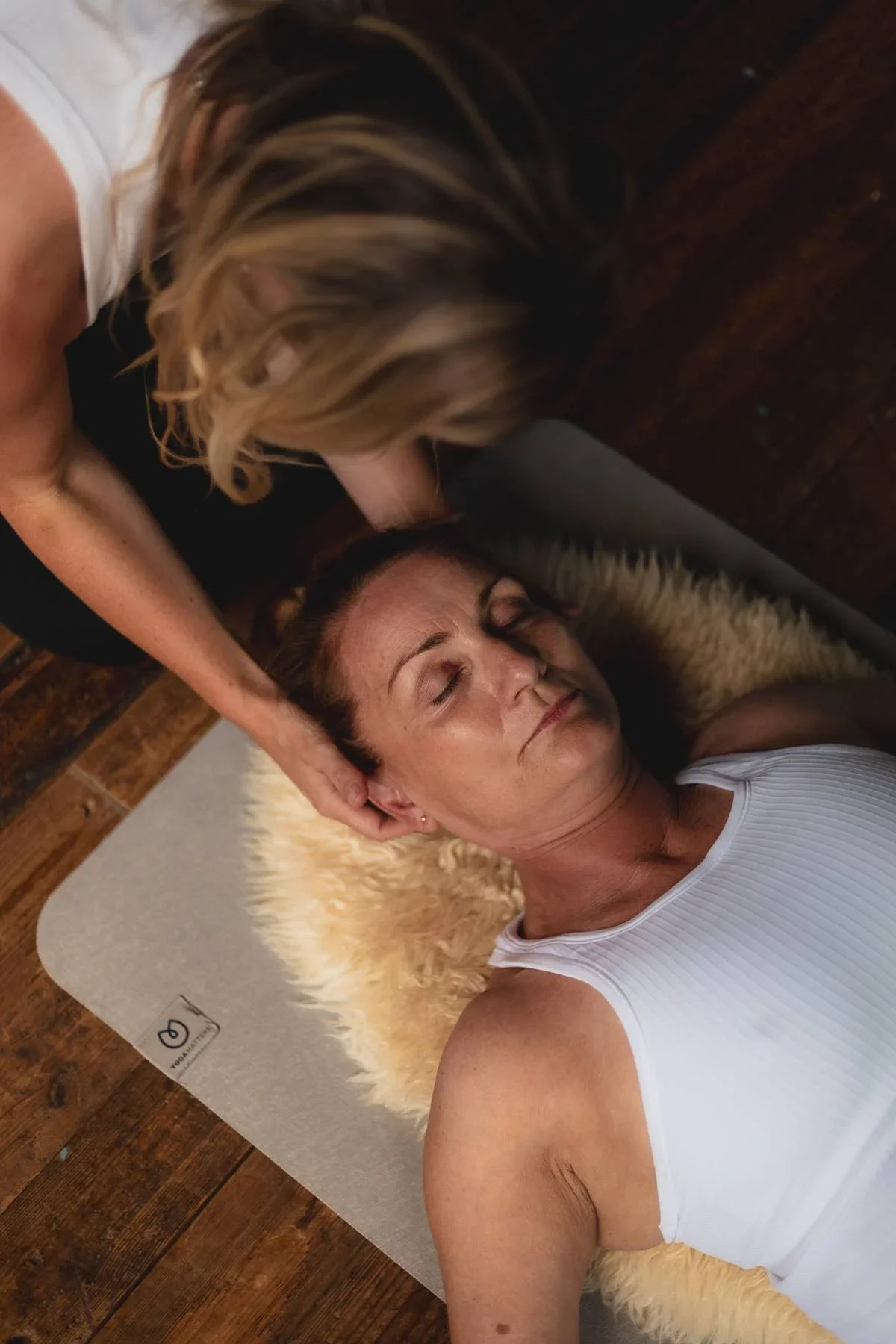
For many beginners, Restorative Yoga offers a gentle introduction to practice, creating space to slow down, unwind, and reconnect with the body.
What Is the Best Yoga for Beginners in Warwick?
Beginning yoga can feel surprisingly complicated.
Not because the practice itself is difficult, but because there is so much information available that knowing where to start can feel overwhelming. A quick search for yoga classes in Warwick reveals countless styles, each promising something slightly different. Some focus on strength and movement, others on flexibility and mobility, while many speak about mindfulness, wellbeing, and stress relief.
For someone standing at the beginning of their yoga journey, it can be difficult to know what any of it actually means.
Perhaps you've been thinking about trying yoga for a while. Maybe you've found yourself feeling increasingly disconnected from your body, overwhelmed by the pace of modern life, or simply looking for a form of movement that feels a little more supportive than another high-intensity workout. Whatever has brought you here, it's worth knowing that you don't need to have a particular level of flexibility, fitness, or experience before stepping onto a mat.
In fact, many people come to yoga because they're looking for those things in the first place.
One of the most common misconceptions about yoga is that it's something you need to be "good at". Social media has done little to help this perception, often showcasing advanced postures and seemingly effortless flexibility. Yet the reality of yoga is far removed from perfectly curated images. At its heart, yoga is a practice of awareness. It's an invitation to become more present within your body, your breath, and your experience, exactly as it is today.
The best yoga for beginners isn't necessarily the most popular class on the timetable or the style with the most impressive-looking postures. More often, it's the practice that allows you to feel supported enough to begin.
At Heist House Studios, we meet students at every stage of their journey. Some arrive looking for relief from stress and burnout. Others are searching for a gentler way to move after years away from exercise. Many are simply curious about yoga and want to understand what all the fuss is about.
The beauty of yoga is that there isn't one single starting point. There is only your starting point.
If you're looking for beginner yoga in Warwick, this guide will help you understand the different styles available, what makes a class beginner-friendly, and how to find a practice that feels aligned with your needs rather than your expectations.
Why More People Are Turning to Yoga
In many ways, yoga offers something that feels increasingly rare.
Space.
Space to slow down, space to breathe, and space to listen to what your body might have been trying to tell you beneath the noise of everyday life.
Modern life rewards productivity. We move quickly between responsibilities, spend hours looking at screens, and often measure success by how much we can fit into a day. While there is nothing inherently wrong with being busy, many people eventually reach a point where they realise they are constantly doing, but rarely pausing.
This is often where yoga enters the conversation.
For some, it begins with physical discomfort.
Tight hips from long days sitting at a desk.
Persistent tension in the shoulders.
Lower back pain that never seems to fully disappear.
For others, the reasons are less visible. Difficulty switching off. Poor sleep. A feeling of being permanently "on" without ever truly resting.
Yoga offers a different approach to wellbeing because it acknowledges that body and mind are not separate experiences. The way we move, breathe, think, and respond to stress are all interconnected. This is particularly relevant when considering the role of the nervous system. Practices such as Yin Yoga, Restorative Yoga, and Breathwork can help create conditions that support the body's natural rest-and-repair response. Rather than asking more from the body, these practices encourage it to soften.
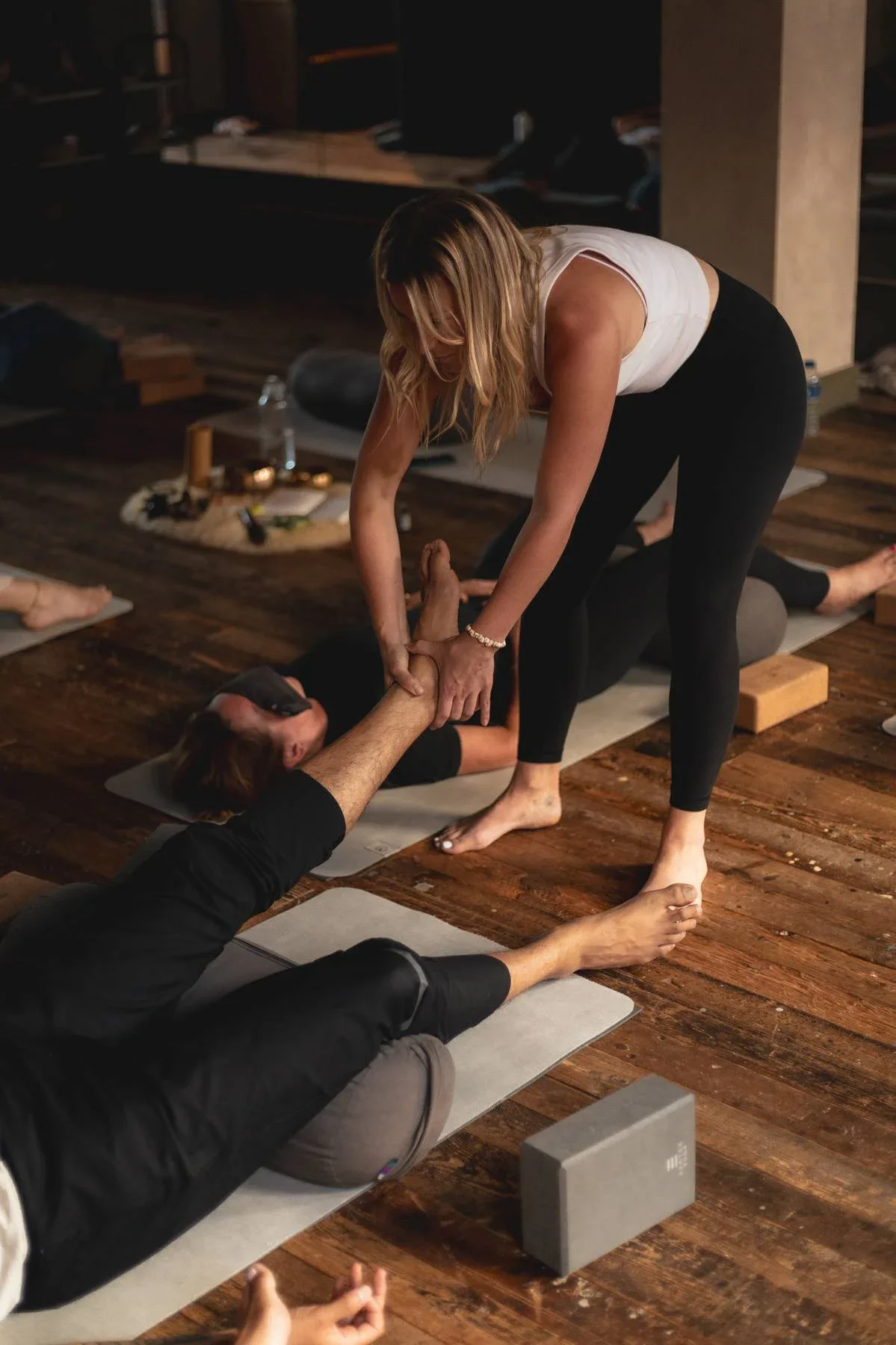
A beginner-friendly yoga class should feel supportive, welcoming, and accessible, with guidance available every step of the way.
If you're interested in understanding this relationship in greater depth, our article on Burnout, Stress & the Nervous System: How Gentle Yoga Supports Recovery explores how slower practices can support regulation and resilience in everyday life.
The growing popularity of yoga isn't simply because people want another way to exercise. It's because many people are searching for a way to feel more connected, more balanced, and more at home within themselves.
The challenge is knowing where to begin.
Fortunately, beginner-friendly yoga isn't about mastering complicated postures or understanding ancient philosophy before your first class. It's about finding a practice that feels accessible, welcoming, and sustainable enough to return to again and again.
What Makes a Yoga Class Beginner-Friendly?
A beginner-friendly yoga class is not defined by how easy it looks. Instead, it's defined by how supported you feel while doing it.
There is a significant difference between a class that is technically suitable for beginners and a class that genuinely welcomes beginners. The most supportive teachers understand that every person arrives with a different body, a different history, and a different relationship with movement. This means creating an environment where curiosity feels more important than performance.
The pace of a beginner-friendly class is often slower, allowing time to understand the purpose of each posture rather than rushing from one movement to the next. Instructions are clear, modifications are offered, and props are used as tools for support rather than signs that you're somehow doing it wrong.
This is one of the reasons slower styles of yoga are often recommended for those who are new to the practice.
Rather than asking you to keep up, they invite you to pay attention. That distinction may seem subtle, but it changes the entire experience.
In a culture that constantly encourages us to move faster, achieve more, and push beyond our limits, there is something surprisingly powerful about being given permission to slow down. Yoga becomes less about reaching a destination and more about developing a relationship with your body as it is today.
For many beginners, that shift in perspective is where the real practice begins.
At Heist House Studios, our approach is rooted in creating a space where students feel safe enough to explore rather than perform. Whether you're attending your very first class or returning to yoga after a long break, the intention remains the same: to help you build confidence, awareness, and trust in your own experience.
The next step is understanding which style of yoga might feel like the right fit for you.
The Best Types of Yoga for Beginners
One of the reasons yoga can feel overwhelming at first is because there isn't just one style. Walk into any studio or browse a timetable online and you'll likely find a variety of classes, each with a different focus and energy.
The good news is that you don't need to understand every style before you begin.
Most people naturally gravitate towards a practice that reflects what they need at that particular moment in life. Someone feeling stressed and exhausted may be drawn towards stillness and restoration, while someone looking to reconnect with movement may enjoy a class with a little more flow.
The best yoga for beginners is often the style that feels supportive enough to help you return for a second class
Yin Yoga
If you've spent much of your life moving quickly, Yin Yoga can feel surprisingly unfamiliar. Not because it's difficult, but because it asks something many of us rarely practise: stillness.
In a Yin Yoga class, postures are held for longer periods of time, often between three and five minutes. This allows the body to gradually soften into each shape rather than forcing movement or flexibility. The practice primarily targets connective tissues, joints, and fascia while encouraging a slower, more mindful approach to movement.
What many beginners appreciate most about Yin Yoga is the pace.
There is time to settle into a posture. Time to notice your breath. Time to observe what is happening within your body without immediately moving on to the next thing.
For those who feel intimidated by faster-paced classes, Yin can provide a gentle and accessible introduction to yoga. The emphasis isn't on achieving the perfect pose but on developing awareness and learning how to listen to your body.
Many students arrive expecting a stretching class and leave having experienced something much deeper. The longer holds often create space for reflection, helping students develop a stronger connection between body and mind.
If you're curious about whether this style might suit you, explore our Yin Yoga classes in Warwick. You may also enjoy reading our guide to Yin Yoga vs Vinyasa Yoga: Which Style Is Right for You?, which explores the differences between slower and more dynamic practices.
Restorative Yoga
While Yin Yoga encourages gentle sensation, Restorative Yoga takes a different approach.
The intention isn't to create stretch or challenge. The intention is rest.
Using props such as bolsters, blankets, and blocks, the body is fully supported in a series of comfortable postures designed to encourage deep relaxation. There is very little muscular effort required. Instead, the practice creates conditions that allow the nervous system to soften and settle. For many people, this is far more difficult than it sounds.
We live in a culture that celebrates productivity and constant movement. Even moments of rest are often filled with scrolling, multitasking, or thinking about what comes next. Restorative Yoga offers something different. It invites you to pause without needing to earn that pause first. This makes it particularly valuable for those experiencing stress, burnout, anxiety, fatigue, or periods of significant life change. It can also be an incredibly supportive starting point for beginners who feel nervous about joining a yoga class.
Rather than asking you to do more, Restorative Yoga asks you to receive more support.
Many students describe leaving class feeling lighter, calmer, and more grounded than when they arrived.
If this sounds like what your body has been asking for, explore our Restorative Yoga classes in Warwick. You can also learn more in our article on How Restorative Yoga Supports the Nervous System.
Breathwork and Mindful Movement
Although not technically a style of yoga, Breathwork is often one of the most transformative practices for beginners.
Long before yoga became associated with physical postures, breath was recognised as a powerful tool for influencing how we feel. The way we breathe affects our nervous system, energy levels, concentration, and ability to respond to stress.
Many people are surprised to discover that learning how to breathe more consciously can create a profound shift in both body and mind.
Breathwork practices can help cultivate a sense of calm, improve focus, and support nervous system regulation. For beginners, they also provide an accessible entry point into mindfulness without requiring any previous experience.
When combined with slower styles of yoga, Breathwork can help create a deeper sense of presence and awareness.
It's often through the breath that students first begin to experience what yoga is really about.
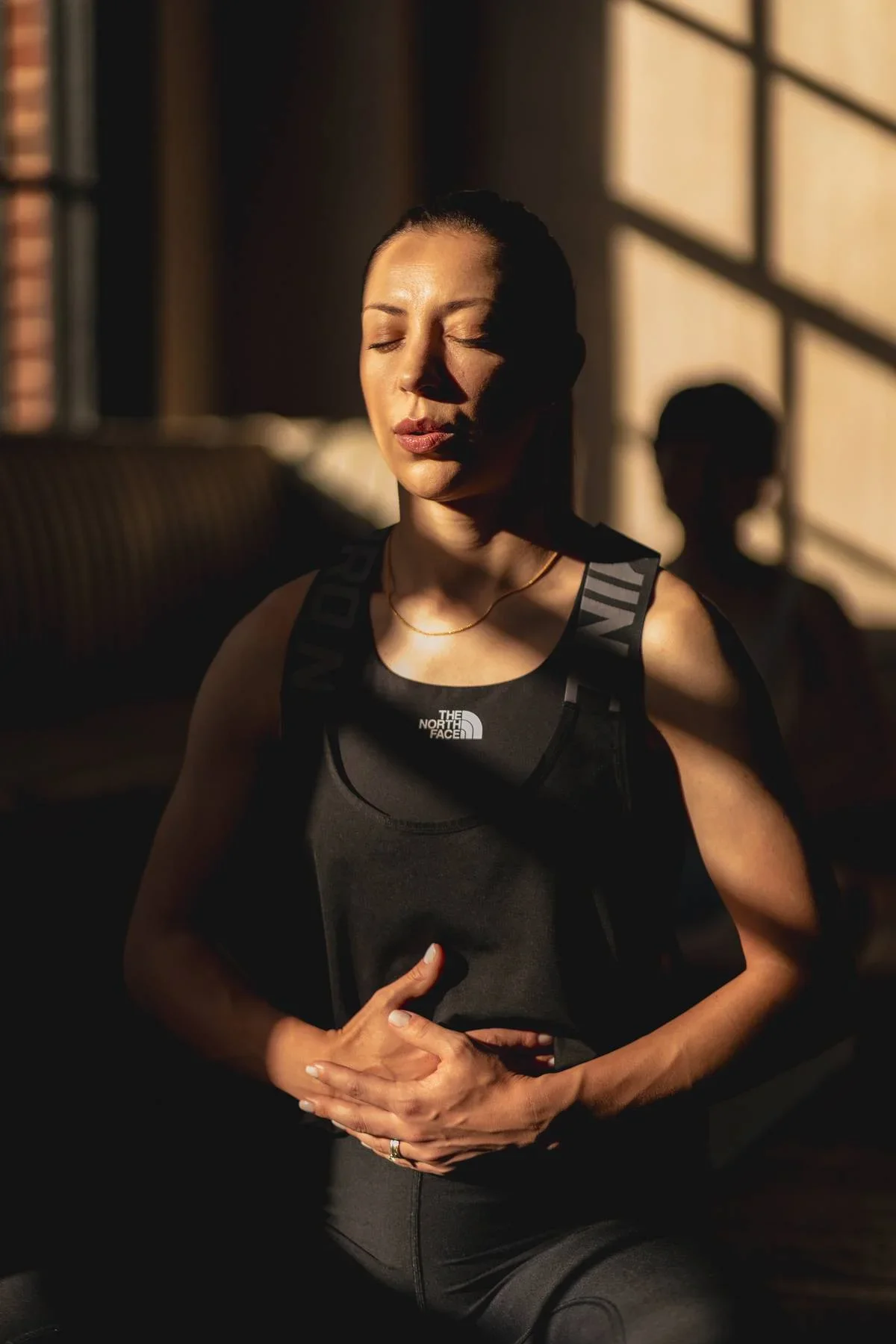
Learning to connect with the breath is often where a yoga journey begins, helping students cultivate calm, focus, and awareness from their very first class.
Gentle Flow
Not every beginner is looking for stillness. Some people are drawn towards yoga because they want to move, build strength, and reconnect with their body in a more active way. For these students, a gentle flow class can be a wonderful place to begin.
Unlike stronger Vinyasa-style practices, gentle flow classes move at a considered pace. There is time to understand transitions, receive guidance, and develop confidence within common yoga postures. The focus remains on awareness rather than performance.
Over time, these classes can help students develop strength, mobility, balance, and coordination while maintaining the mindful foundations that make yoga unique.
The most important thing is remembering that there is no hierarchy of yoga styles. A slower class is not "less advanced" than a more dynamic one. Each practice offers something different, and the best choice depends entirely on what you need.
Common Concerns Beginners Often Have
Before attending their first class, most beginners share remarkably similar concerns. They worry they won't be flexible enough. They worry they won't know what they're doing. They worry everyone else in the room will somehow be more experienced, more coordinated, or more comfortable than they are.
These worries are completely normal. They're also rarely true.
-
Perhaps the biggest misconception about yoga is that flexibility is a requirement.
In reality, flexibility is a potential outcome of practice, not a prerequisite for joining a class.
Yoga meets you where you are. Whether you can touch your toes or not is entirely irrelevant.
Teachers offer modifications because every body is different. What matters far more than flexibility is your willingness to be present and explore movement with curiosity.
-
Another common concern is fitness. Many people assume yoga will be physically demanding, particularly if their only exposure has been through social media.
While some styles are certainly more energetic, beginner-friendly yoga is designed to be accessible. Classes can be adapted to suit different bodies, ages, and levels of experience.
You don't need a certain level of fitness before you start.The practice itself helps you develop strength, mobility, and resilience over time.
-
This fear keeps many people from booking their first class. The truth is that everyone in the room was a beginner once. Most experienced students remember exactly how it felt to walk into a studio for the first time. They aren't judging your practice because they're usually focused on their own.
One of the most welcoming aspects of a good yoga studio is the understanding that every person is on their own path.
There is no competition. No ranking. No requirement to be anything other than yourself.
Finding the Right Yoga Studio in Warwick
Choosing a yoga studio is about more than finding a convenient location. It's about finding a space where you feel comfortable enough to explore something new.
The atmosphere of a studio matters.
The teaching style matters.
The sense of community matters.
At Heist House Studios, our approach is rooted in creating a welcoming environment where students feel supported at every stage of their journey. Whether you're attending a Yin Yoga class, exploring Restorative Yoga for the first time, or simply curious about how yoga might fit into your life, our intention is always the same.
To offer a space where you can slow down, reconnect, and feel at home within your practice.
If you'd like to learn more about our philosophy and approach, read Meet Heist House Studios: Your Yoga & Wellness Home in the Heart of Warwick.
You can also explore our upcoming Yoga in Warwick guide, which will bring together our classes, philosophy, and local wellness offerings in one place.
Begin Where You Are
The best yoga for beginners isn't a particular style, teacher, or class. It's the practice that allows you to begin.
For some people, that will be Yin Yoga. For others, it will be Restorative Yoga, Breathwork, or gentle movement. What matters is not choosing perfectly. What matters is choosing something that feels supportive enough to take the first step. Yoga has a way of meeting us exactly where we are. The challenge is rarely whether we're capable of starting. It's whether we're willing to let ourselves begin before we feel completely ready.
If you've been thinking about trying yoga in Warwick, consider this your invitation. Not to become someone different but to simply to start where you are.
Frequently Asked Questions
-
Description text goesFor most beginners, slower and more supportive styles such as Yin Yoga and Restorative Yoga provide the most accessible introduction to the practice. These classes allow time to learn, explore movement, and build confidence without feeling rushed. here
-
Yes. Yin Yoga is one of the most beginner-friendly styles of yoga available. The slower pace, longer-held postures, and emphasis on awareness make it particularly accessible for those who are new to yoga.
-
Neither practice is necessarily easier, but they have different intentions. Yin Yoga focuses on gentle sensation and connective tissue health, while Restorative Yoga prioritises relaxation, nervous system support, and deep rest.
-
No. Flexibility is not a requirement for yoga. Classes are designed to meet you where you are, and flexibility often develops naturally through consistent practice.
-
Many beginners benefit from attending one or two classes per week. Consistency is often more important than frequency, particularly when establishing a sustainable practice.
-
Comfortable clothing and an open mind are usually all that's required. Most studios provide props and equipment, although it's always worth checking in advance.
-
Many people find yoga supportive for managing stress and improving overall wellbeing. Slower styles such as Yin Yoga, Restorative Yoga, and Breathwork can be particularly beneficial for supporting nervous system regulation.
-
Heist House Studios offers a range of beginner-friendly classes in Warwick, including Yin Yoga, Restorative Yoga, Breathwork, and mindful movement practices designed to support students at every stage of their journey.
Begin Where You Are
There is no perfect time to start yoga, no ideal level of flexibility. No specific level of fitness and no moment when life suddenly becomes less busy and more accommodating. There is only the decision to begin.
Whether you're drawn to the quiet stillness of Yin Yoga, the deep support of Restorative Yoga, or simply the idea of creating a little more space in your week, yoga offers an opportunity to reconnect with yourself in a way that feels sustainable, supportive, and genuinely nourishing.
At Heist, we believe yoga should meet you where you are. You don't need experience, expensive equipment, or a particular goal. You simply need a willingness to show up and explore what feels right for you. If you're looking for beginner yoga in Warwick, we'd love to welcome you into the studio.
Explore our classes, browse the timetable, or learn more about our approach to mindful movement and wellbeing. Your practice doesn't need to look a certain way to be meaningful. It simply needs to begin.
Ready to take the first step?
Explore our classes, view the timetable, or discover which practice feels right for you at Heist.
We look forward to welcoming you to the mat.