Can Yoga Help You Sleep Better? A Gentler Approach to Rest
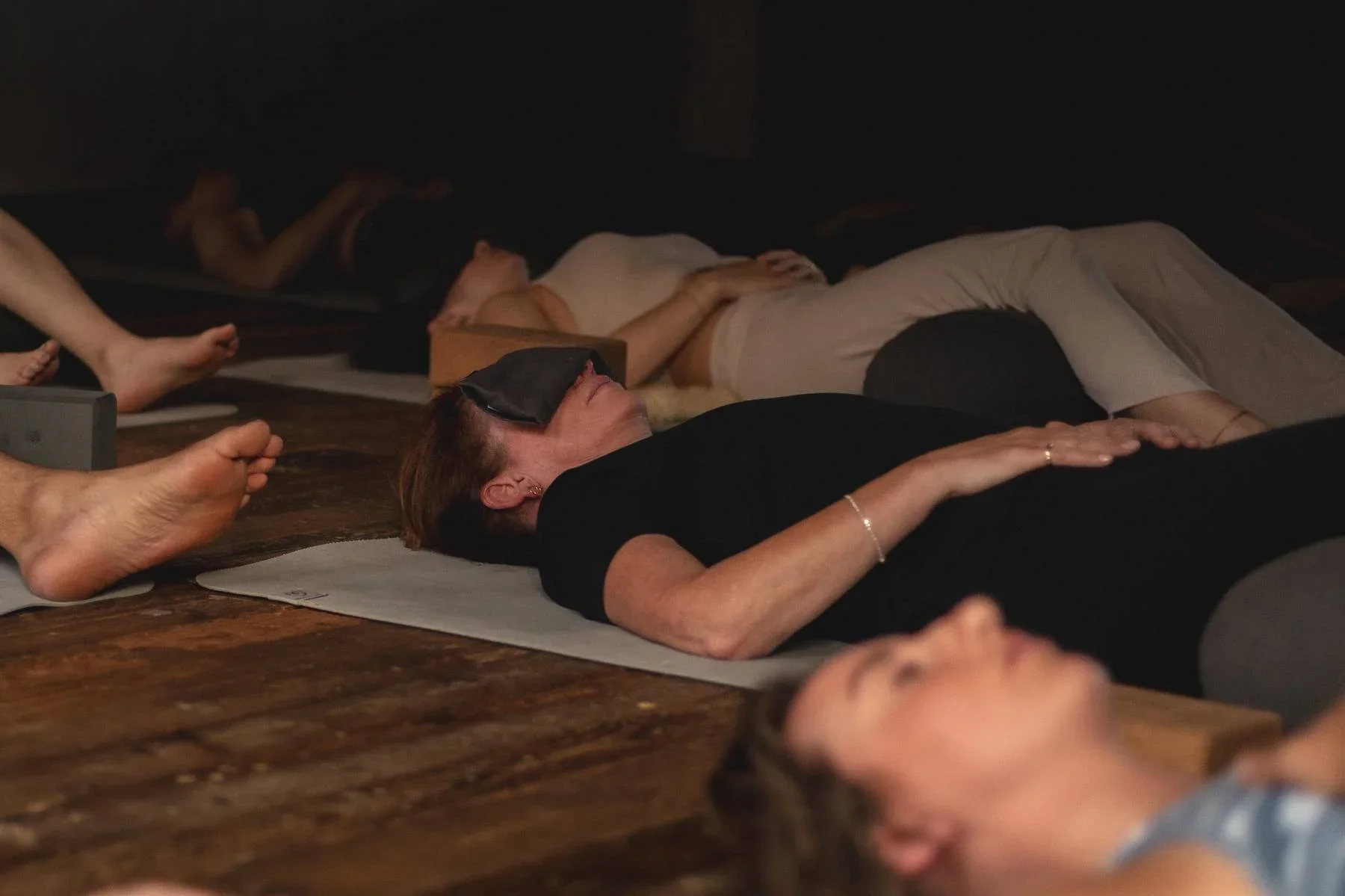
Sometimes the most restorative practice is simply allowing yourself to pause.
There’s a particular kind of tiredness that sleep alone doesn’t seem to fix. Your body is exhausted, but your mind is still racing. You finally climb into bed, only for tomorrow’s to-do list to begin before your head even reaches the pillow. You scroll for a little longer, hoping you'll feel sleepy. You check the clock. You turn the pillow over. You sigh.
If this sounds familiar, you're certainly not alone.
Many people searching for better sleep aren't actually looking for another sleep hack. They're looking for a way to help their body feel safe enough to truly rest. That's where yoga can become something much more powerful than simply exercise.
At Heist, we've seen time and again that when people begin slowing down, not just physically, but mentally and emotionally, sleep often begins to soften too. While yoga isn't a cure for insomnia or a replacement for medical advice, it can become a meaningful part of a healthy evening routine, helping you move from doing into simply being.
Why Sleep Can Feel So Difficult
Modern life rarely asks us to slow down.
Many of us spend our days moving from meeting to meeting, answering messages, juggling work, family and endless responsibilities. Even when the day is over, our nervous system often hasn't realised that it's safe to switch off. We live in a world that celebrates productivity, yet expects us to suddenly fall asleep the moment our head reaches the pillow.
Our bodies don't work like that. Sleep isn't something we can force. It's something we gently allow.
For many people, difficulty sleeping isn't simply about being tired enough. It's about giving the body permission to transition from alertness into rest.

When your body feels tired but your mind won't switch off, rest can feel just out of reach.
Your Nervous System Plays a Bigger Role Than You Think
Your nervous system is constantly responding to the world around you.
When life feels demanding, your body naturally shifts into a more alert state, helping you deal with challenges as they arise. This response is incredibly helpful when we genuinely need it. The difficulty comes when that heightened state never really switches off.
Many people arrive at our studio saying they feel permanently "on." Their shoulders sit a little higher. Their breathing is shallower. Their thoughts move quickly from one thing to the next. Yoga doesn't ask you to fight those feelings. Instead, it gently offers your body an opportunity to experience something different.
Through slower movement, conscious breathing and moments of stillness, many people begin noticing that sense of urgency gradually softens.
This isn't about emptying your mind, it's about creating enough space for your body to remember how to rest.
How Yoga Can Support Better Sleep
One of the biggest misconceptions about yoga is that it's all about flexibility.
In reality, yoga offers something much deeper. It encourages us to notice.
To breathe. To slow down. To move with intention instead of rushing from one thing to another.
These small shifts often begin long before bedtime.
Many students tell us that after practising regularly, they notice they carry less tension into the evening. Their breathing feels calmer. Their thoughts feel less overwhelming. Their evenings become a little quieter. When this happens consistently, sleep often begins to feel more accessible.
If you're completely new to yoga, our Beginners Yoga classes provide a gentle introduction to movement, breathing and mindfulness without any pressure to perform.
Which Yoga Is Best for Sleep?
There isn't one perfect style of yoga for better sleep. Instead, different practices support rest in different ways.
Restorative Yoga
There are days when simply making it through feels like enough.
On those days, restorative yoga offers an invitation to stop striving. Supported by blankets, bolsters and carefully arranged props, each posture encourages the body to completely let go, creating space for a kind of rest that's often difficult to find in everyday life.
Nothing needs to be achieved here. There are no flowing sequences or challenging transitions, only quiet moments to soften, breathe and simply be. Many people leave feeling lighter, steadier and deeply restored, carrying that sense of calm long after class has ended.
Yin Yoga
Sometimes the body holds onto more than we realise.
Through long, supported floor-based postures, yin yoga invites you to slow down enough to notice. As the body gently releases layers of physical tension, the mind often begins to follow, creating space for stillness, presence and a quieter kind of awareness.
Rather than asking you to stretch further, Yin gently encourages you to stay, breathe and trust that not every transformation needs to happen quickly.
Breathwork
Not every restless night begins in the body. Sometimes it's the mind that's still carrying the conversations, responsibilities and pace of the day.
Our breathwork classes in Warwick offer a gentle opportunity to return to something that's been with you all along: your breath. Through simple, guided breathing practices, many people discover a quieter rhythm, allowing the body to soften naturally and the mind to become a little less busy.
These are practices you can return to long after class has finished, gently supporting the transition from the activity of the day into the stillness of the evening.
Sound Healing
Some experiences ask you to do less. Sound healing is one of them.
As crystal singing bowls fill the space with gentle layers of sound and vibration, there's nothing to concentrate on, nothing to perfect and nowhere else you need to be. Simply lying comfortably and allowing yourself to listen can become one of the deepest moments of rest your week has to offer.
Many people leave with quieter thoughts, softer breathing and a renewed sense of calm, carrying that feeling of spaciousness into the rest of their evening.
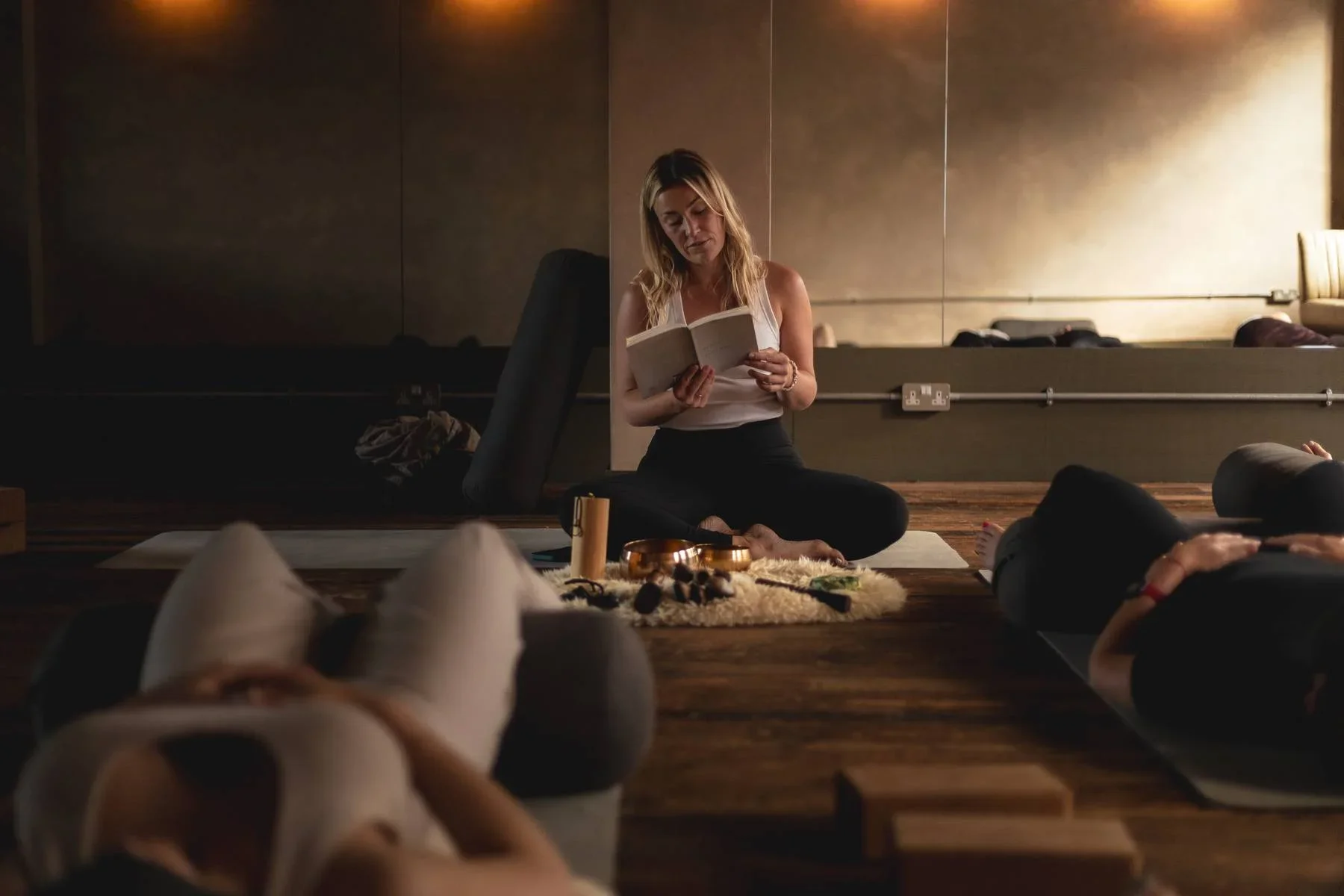
A moment of stillness as guided meditation and sound invite the body into deep rest.
Small Evening Rituals That Can Make a Difference
Supporting better sleep doesn't always require dramatic change. Often, it's the small rituals that quietly signal to the body that the day is coming to an end.
You might choose to:
Dim the lights an hour before bed.
Put your phone down a little earlier.
Spend a few minutes stretching gently.
Take several slow, comfortable breaths.
Read a few pages of a book.
Enjoy a warm herbal tea.
Listen to calming music or sound healing recordings.
None of these need to be perfect. They're simply gentle invitations to slow down.
It's Not About Sleeping Perfectly
Perhaps the most important thing yoga teaches us is that rest isn't something we earn, it's something we need.
Some nights you'll sleep beautifully and other nights you won't. Yoga isn't about chasing perfect sleep every single evening. It's about creating a relationship with your body that feels kinder, calmer and more compassionate.
Ironically, many people find that the less pressure they place on falling asleep, the easier rest begins to arrive.
A Different Way to End the Day
At Heist, we believe the practice doesn't end when you roll up your mat.
In many ways, that's where it truly begins.
You might notice your breath feels a little slower as you walk back through Warwick. Your shoulders sit a little softer as you make dinner, answer emails or settle onto the sofa. The quiet you found in Savasana lingers a little longer, gently weaving its way into the rest of your evening.
Better sleep rarely arrives through one perfect night. More often, it grows through small moments of consistency. A few deeper breaths. A quieter mind. A body that begins to feel safe enough to truly rest.
Over time, many people notice they're not just sleeping differently, they're moving through life differently too. A little more grounded. A little more present. A little kinder to themselves.
And perhaps that's the most meaningful shift of all.
Rest Begins Here
We often think better sleep starts when our head reaches the pillow. More often, it begins much earlier.
It begins in the moments we choose to slow down. To breathe a little deeper. To move a little more gently. To create space for stillness before the day is over.
Whether you're drawn to Restorative Yoga, Yin Yoga, Breathwork or Sound Healing, each practice offers its own gentle invitation to pause, reconnect and create a little more space for rest in your everyday life.
If you're new to yoga, our Beginners Yoga classes offer a warm and welcoming introduction, while those with an established practice can explore a range of classes designed to support every season of life. However you arrive, you'll be met exactly where you are.
There is no expectation to perform. No pressure to get it right. Just a beautiful space to move, breathe and reconnect with yourself.
Perhaps better sleep isn't something to chase after, perhaps it's something that gently unfolds when we begin making space for rest, long before we turn out the lights.
And if you're ready to begin, we'll be here when you are. Your mat is waiting.
Frequently Asked Questions
-
Many people find that regular yoga helps them feel calmer, more grounded and better able to unwind before bed. Gentle movement, mindful breathing and moments of stillness can all support relaxation, making it easier to transition from the busyness of the day into a more restful evening. While yoga isn't a treatment for insomnia or other sleep disorders, it can become a valuable part of a healthy sleep routine.
-
If your goal is to feel more relaxed before bed, gentler practices such as Restorative Yoga and Yin Yoga are often a wonderful place to begin. Breathwork can help quiet a busy mind, while Sound Healing offers a deeply restful experience for those who find it difficult to switch off. The best practice is the one that feels supportive for your body and your lifestyle.
-
Absolutely. Many of our students come to Heist House Studios looking for a gentler way to slow down, rather than an intense workout. Our Beginners Yoga classes are designed to help you build confidence at your own pace, and every class is taught in a welcoming, inclusive environment where there's no expectation to have any previous experience.
-
Yoga can support your wellbeing at any time of day, and the best time to practise is the one that fits naturally into your routine. Many people enjoy slower styles of yoga, Breathwork or Sound Healing in the evening as a way to unwind, while others prefer to begin their day feeling more grounded and present.
-
There's no perfect number. Even one class each week can become a meaningful opportunity to slow down and reconnect with yourself. Many people find that combining regular classes with simple breathing or mindfulness practices at home helps create a consistent rhythm that supports both relaxation and better sleep over time.
-
Yes. At Heist House Studios in Warwick, we offer a range of practices that support rest and relaxation, including Restorative Yoga, Yin Yoga, Breathwork and Sound Healing. Whether you're looking to ease physical tension, quiet a busy mind or simply carve out time to slow down, there's a class to support you.
-
Feeling physically tired doesn't always mean your mind or nervous system is ready for rest. Stress, overstimulation and the pace of modern life can make it difficult to fully switch off, even at the end of a long day. Practices such as gentle yoga, Breathwork and meditation can help create moments of calm, allowing your body to gradually settle into a more restful state.